
A bit of everything, and a lot of it on paper
Before Factory, Mayne Island Metal ran on a handful of tools, and none of them were built around fabrication. Paper and pen filled the gaps, and papers got lost.
None of it was wrong exactly, it just meant every quote started from scratch, and nothing lived in one place.
"Bit of this, bit of that. Then spreadsheets, ClickUp, this and that. Tried a bunch of stuff. Paper and pen - lost a lot of papers."
A material catalog and pricing history, right where the quote starts
There was no one big switch. Cameron worked out that the place to start was getting the material catalog sorted and having past pricing to work from. With both in place, a quote no longer starts from scratch.
"Being able to keep track of previous pricing especially - if someone asks for a quote, I don't have to email the supplier every time or dig back for an invoice, it's already there."
Nothing lost, nothing re-typed
Cameron's own read is qualitative, not a hard number yet: more capacity, more accurate pricing, both still trending in the right direction.
"The more I use it, the more I'm enjoying it and making better use of it."
From landscaping to a ferry-dock phone call
Cameron started out landscaping, decided it wasn't for him, took a fabrication course, and set up shop on Mayne Island. Early jobs taught him the work as he went - a stint at a shipyard for hands-on experience, then back to the island.
Factory was built by a family that ran a fab shop for almost 50 years, and this is the kind of shop that story was written for: small crew, wide scope, no room for a system built for a factory floor ten times the size. Today Cameron runs a crew of three alongside him - a welder/fabricator, a carpenter with an eye for detail on the cutting, and a newer team member coming up on finishing work - across residential steel and aluminum, marine repair, heavy equipment, and the odd garden stool.
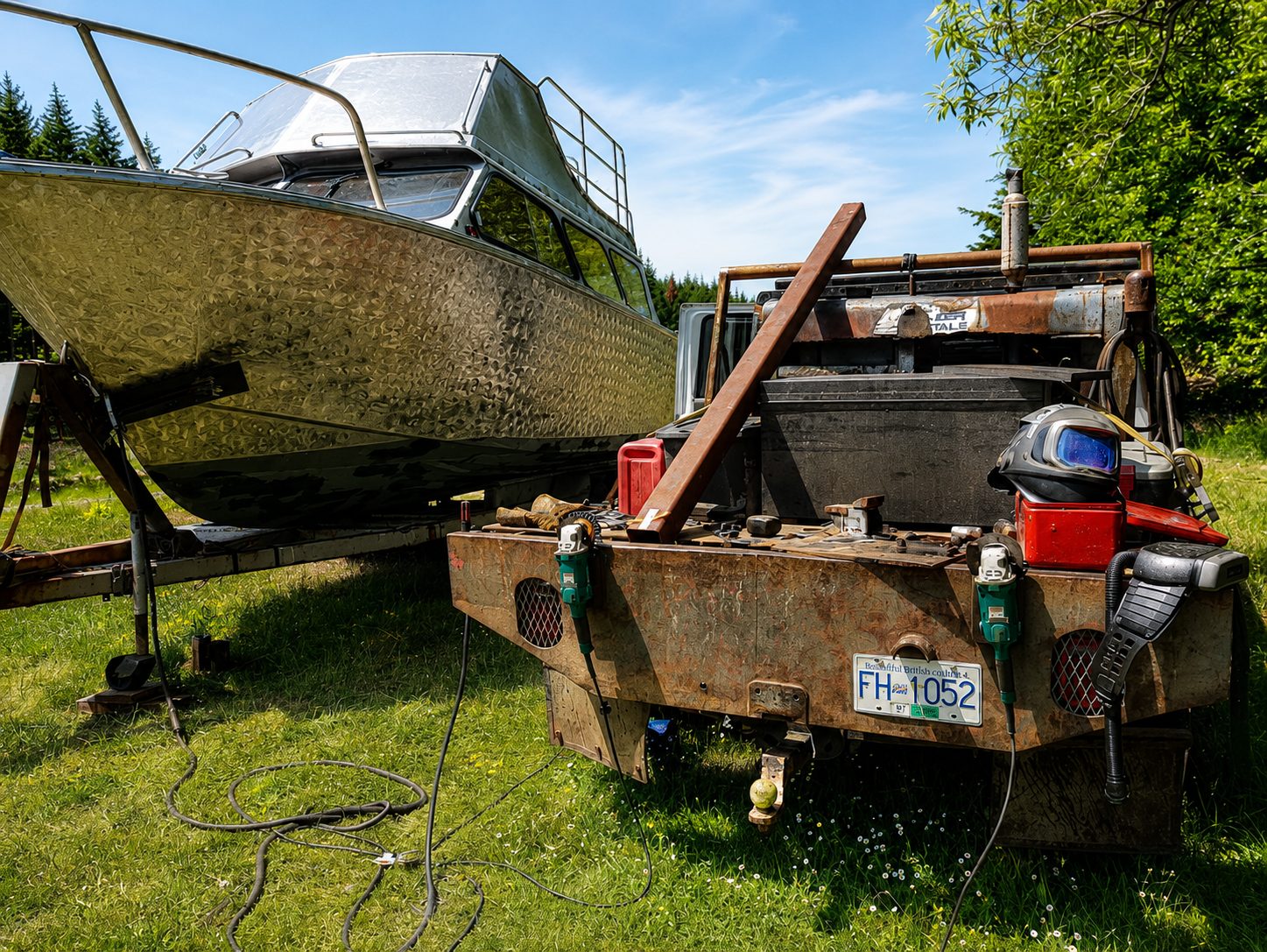
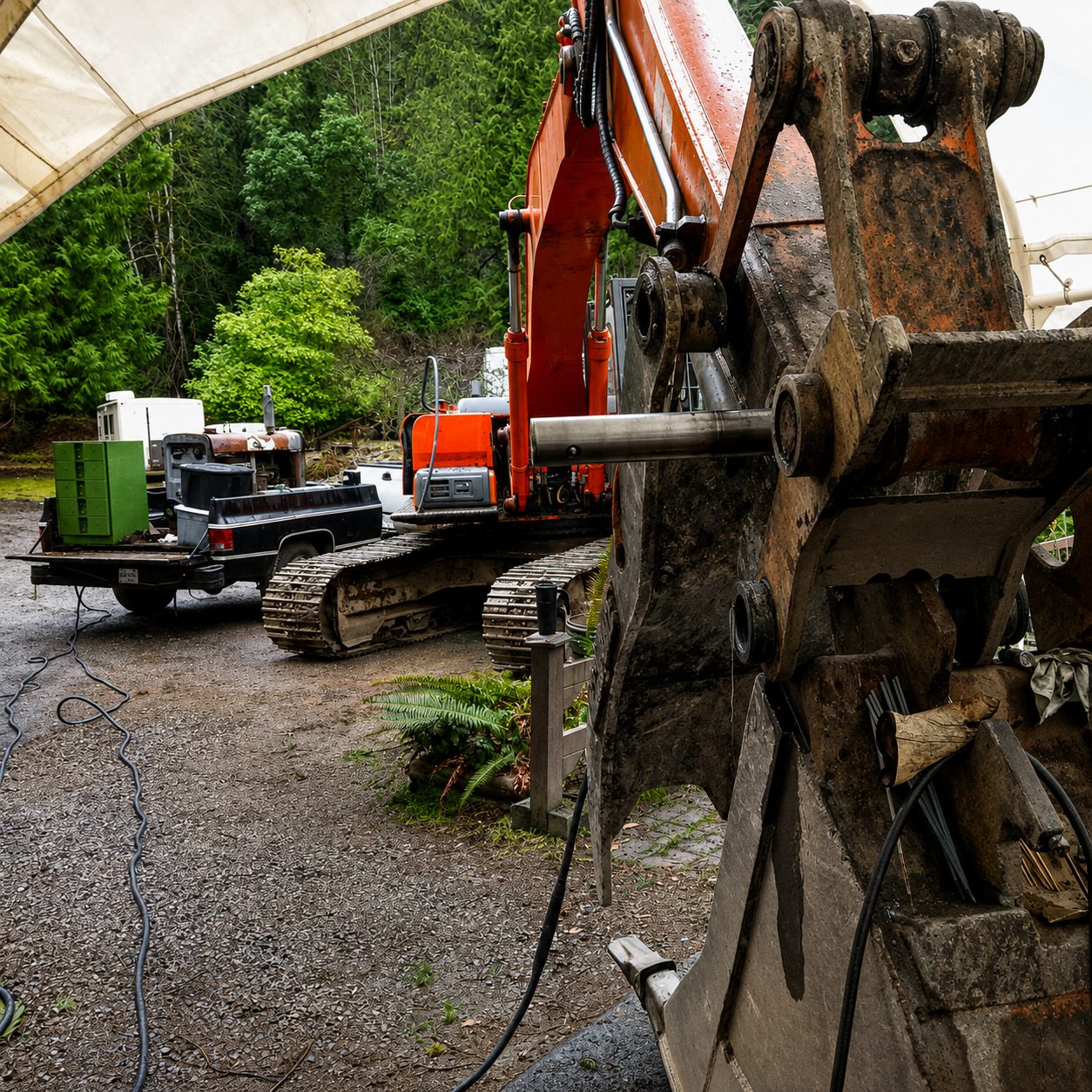
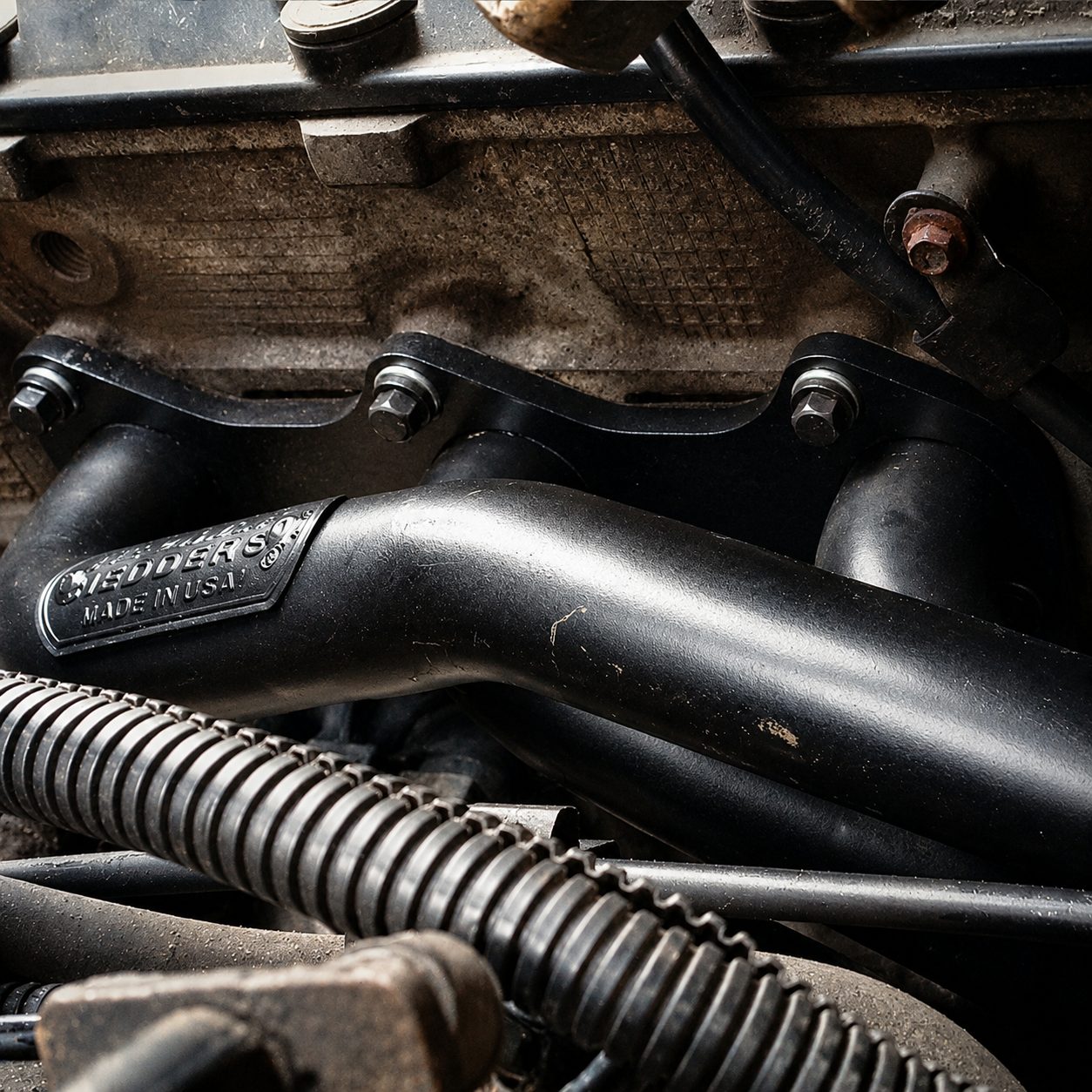
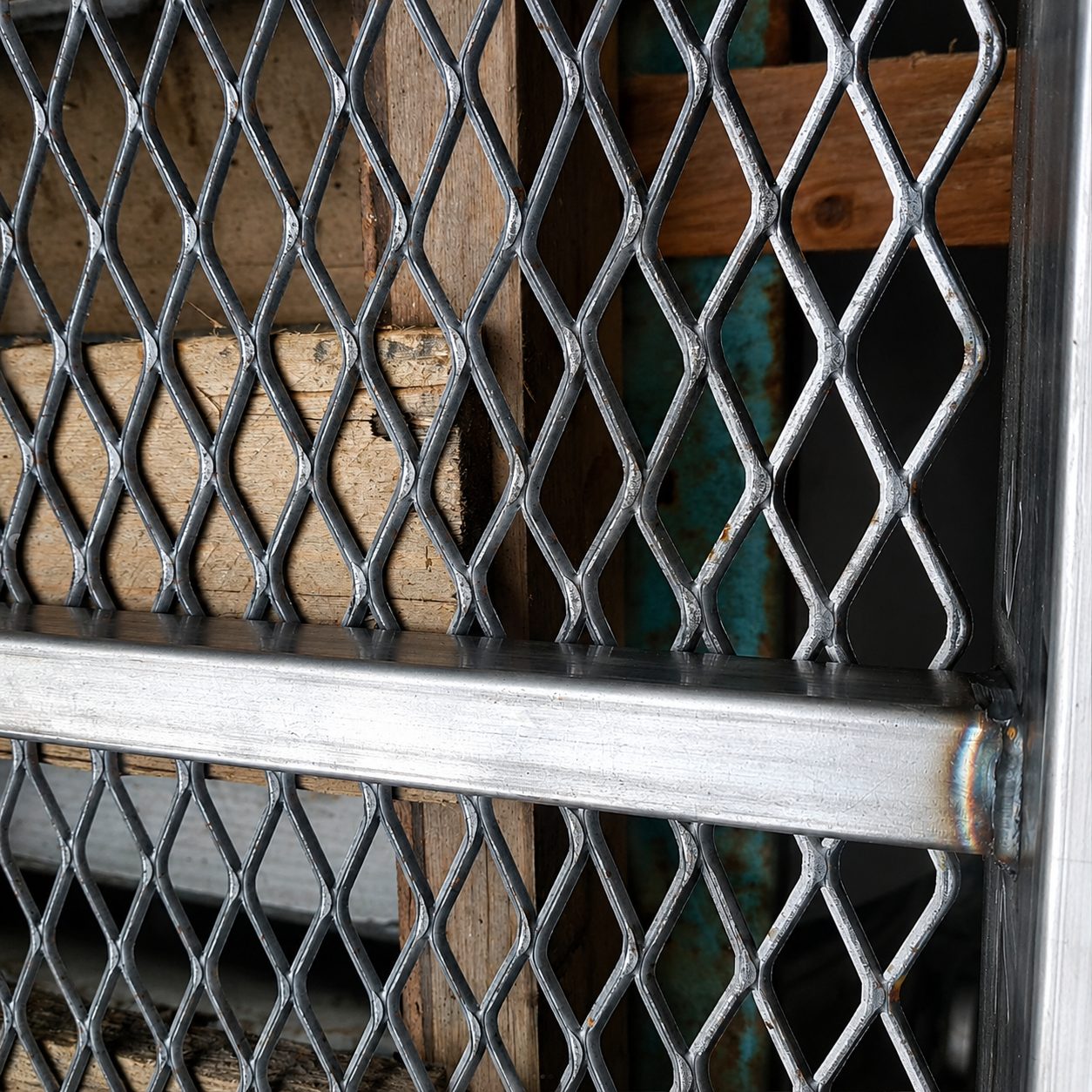
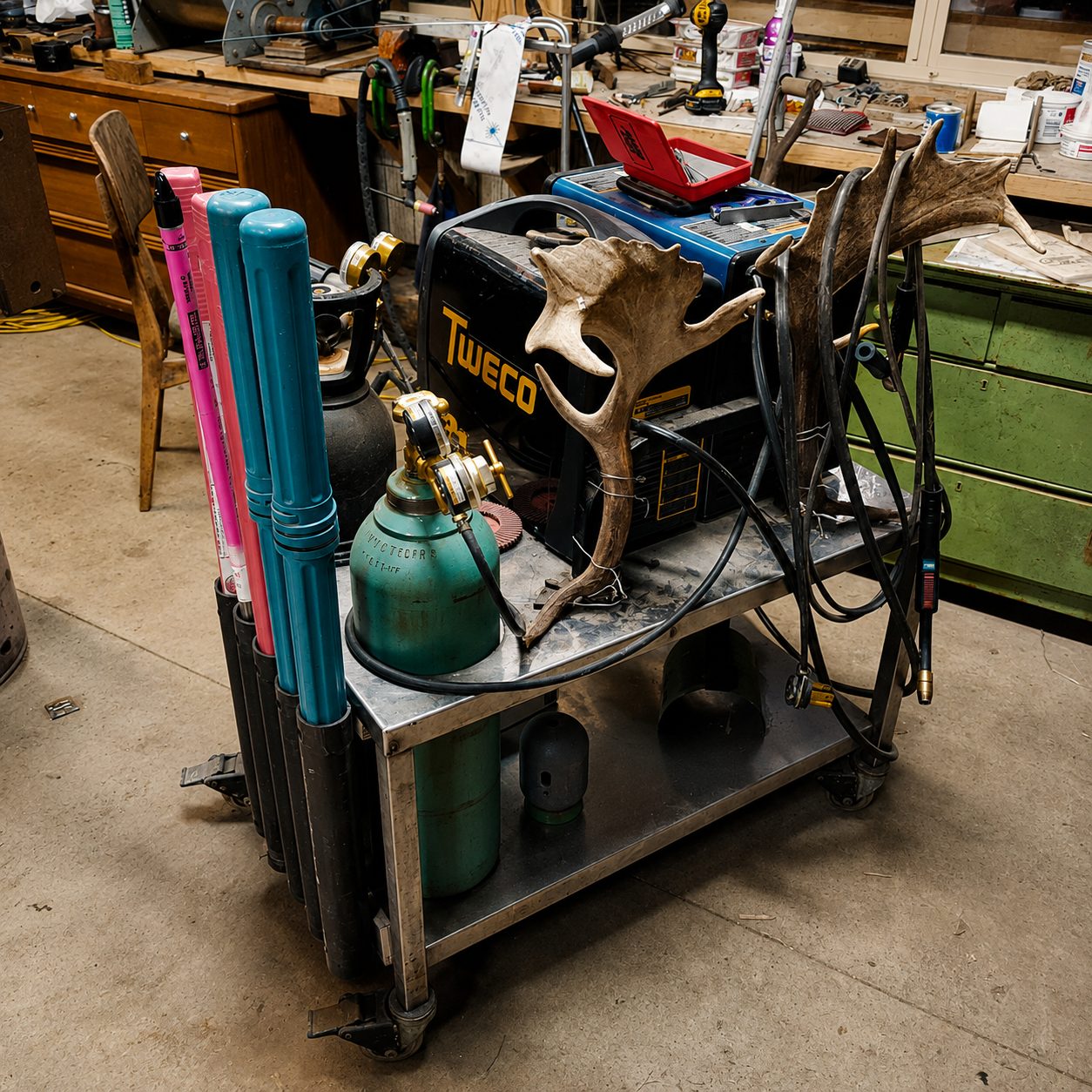
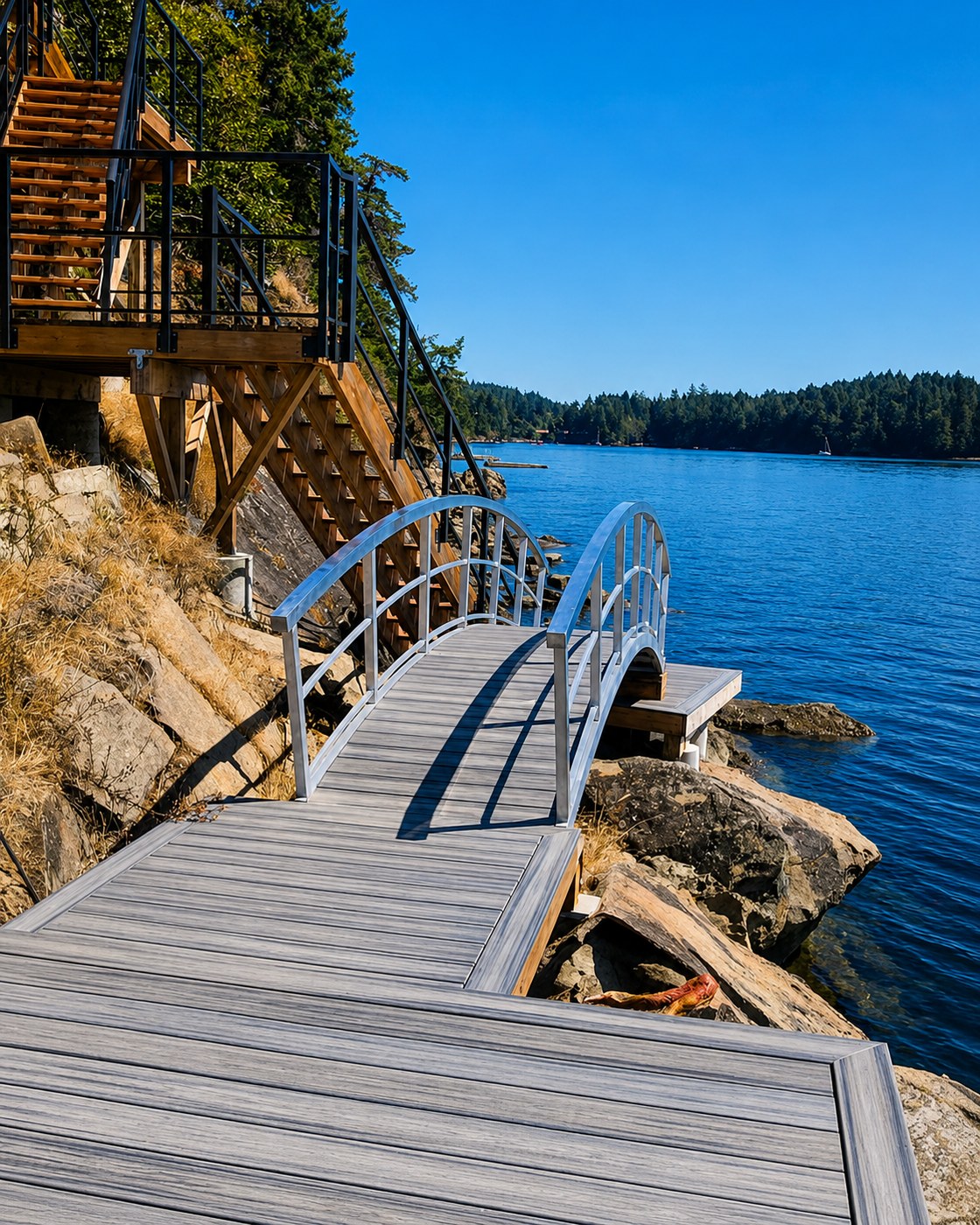
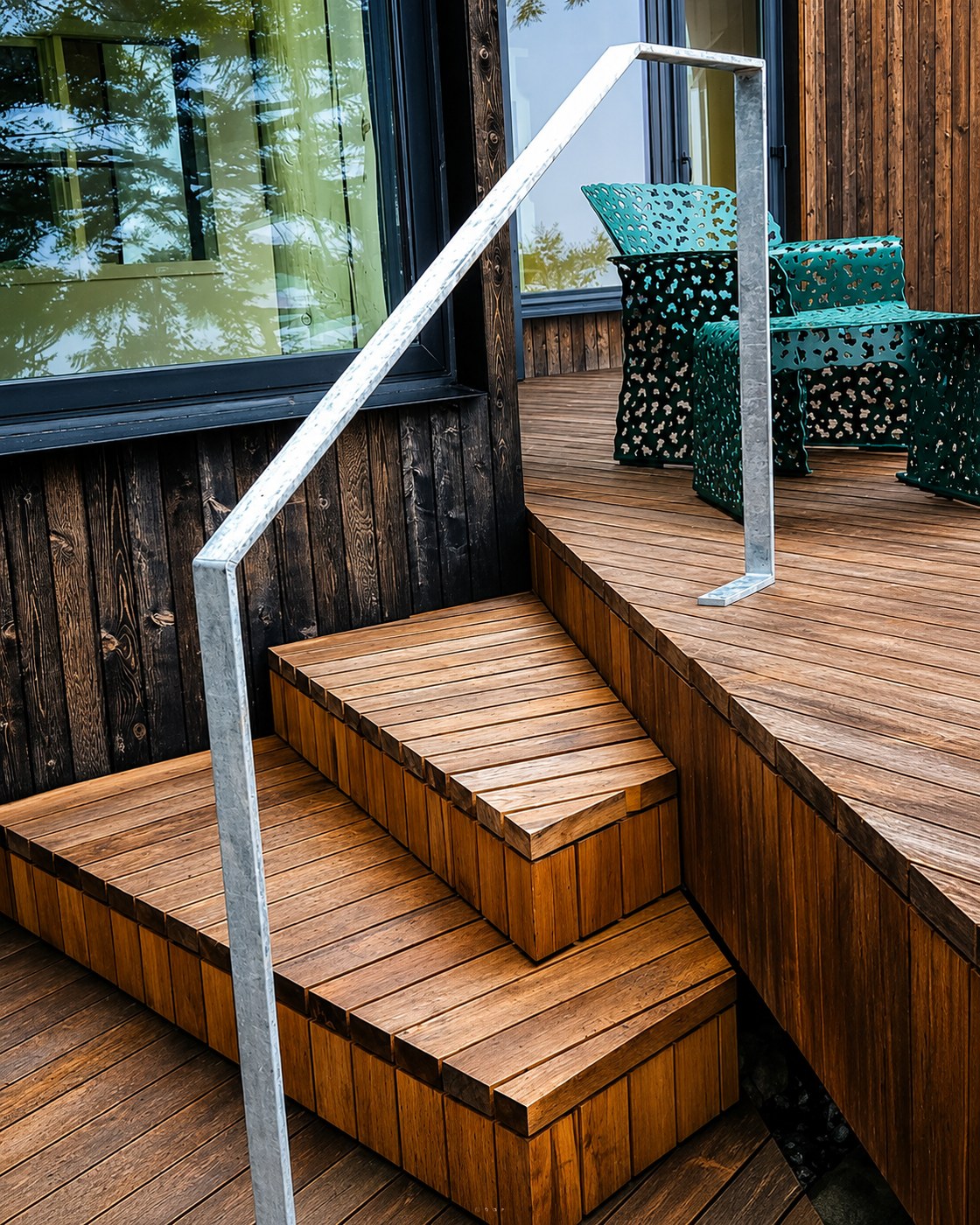
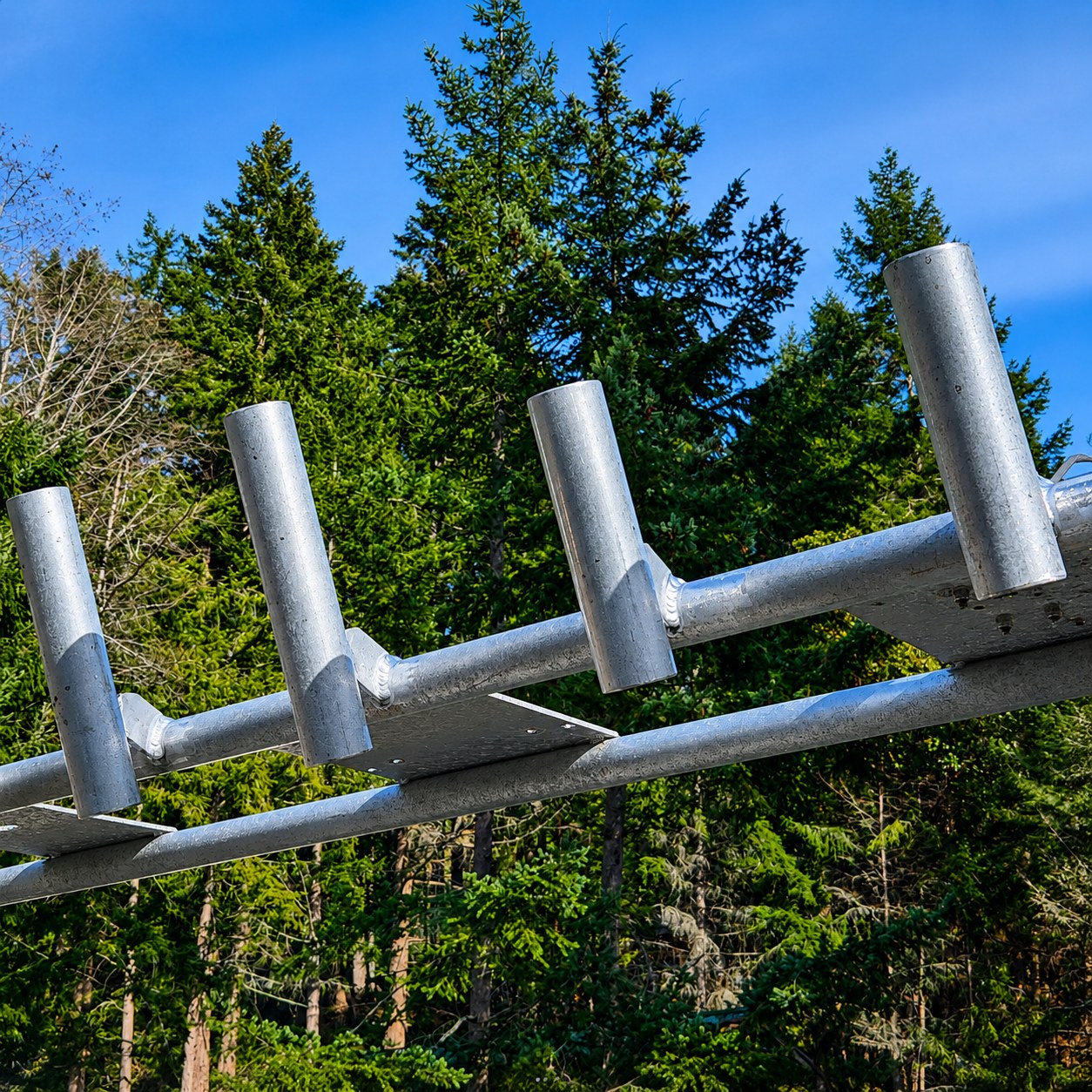
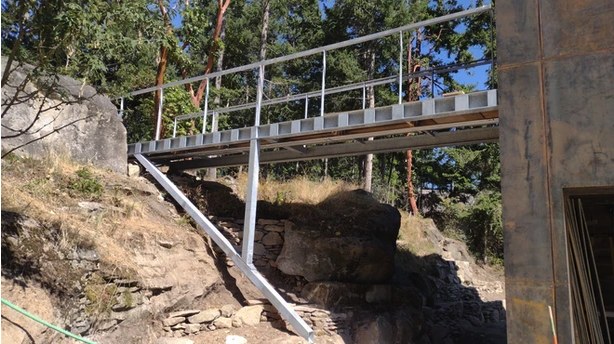
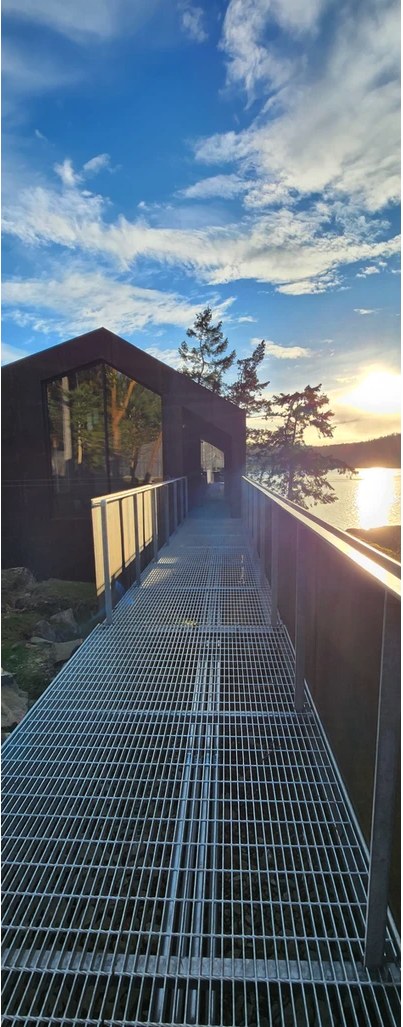
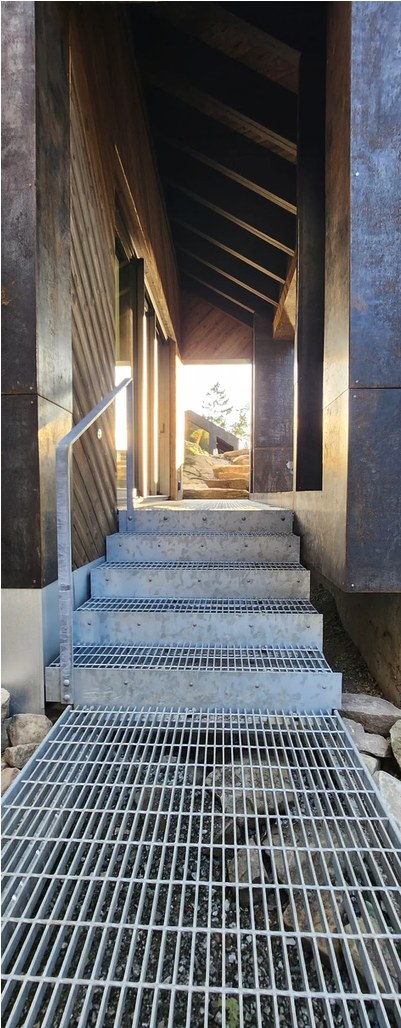
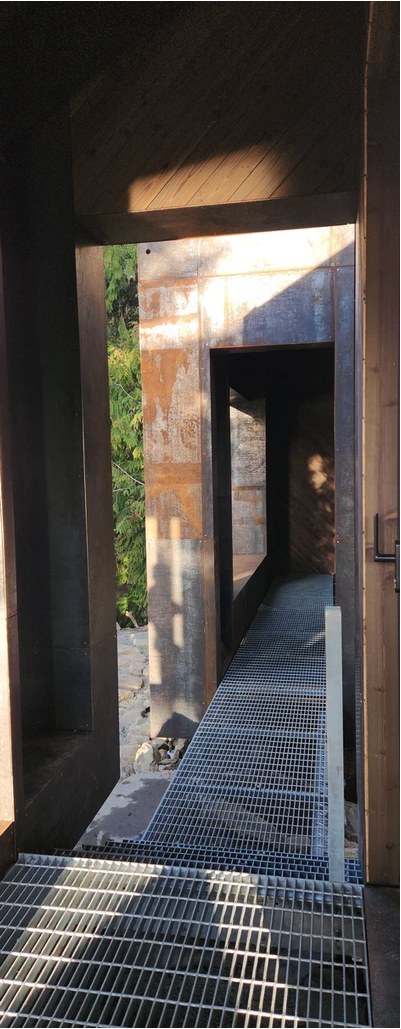
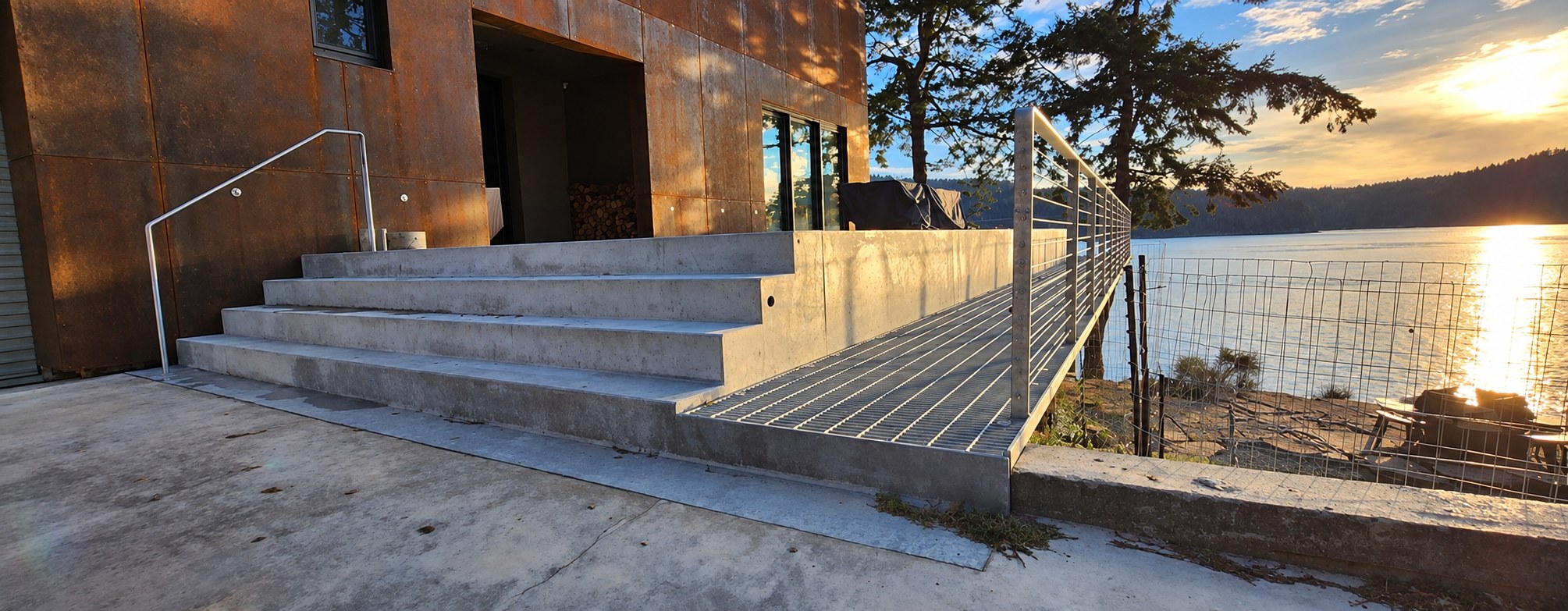
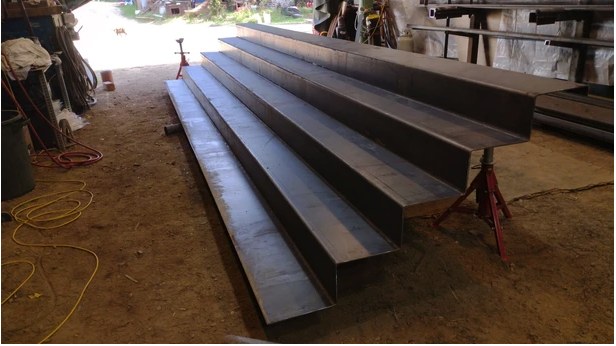
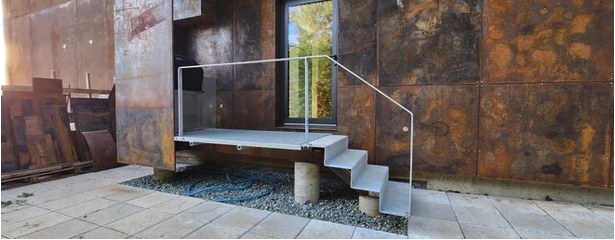
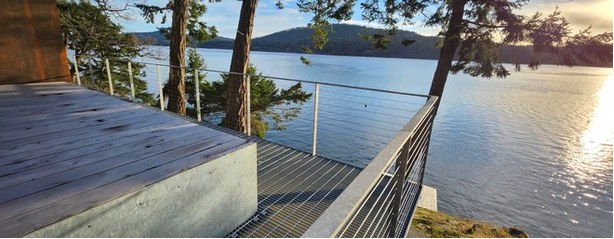
Boat rigs to excavator repairs to bench work, on-site welds, and the shop's most recent corten-and-steel builds - the range of work coming off the floor
"Keeping the quality high, and the reputation that's come from it - from all the tough jobs and not knowing what you're doing, but making it work and everybody being happy in the end."
Priced right, built for a shop like his
Cameron looked at general ERP systems first and ruled most of them out on cost and complexity - "astronomical, didn't make sense for me." What tipped it toward Factory wasn't a feature list, it was being built for a shop his size and shape, not a generic production line.
Onboarding meant working through the material catalog line by line - a lot of back-and-forth, some of it still ongoing.
"You guys were coming at it from the perspective of the kind of shop and organization I'm running, not just generic manufacturing/production. That was attractive."
Day to day
Quote from a material catalog and pricing history, so nothing starts with an email to a supplier or a hunt through old invoices.
Track job time, to see how long different jobs actually take.
Keep roughly 255 customers and suppliers on record, carried over from their old CRM.
Export invoices and purchase orders as PDFs for their bookkeeper.
Quote from the same catalog whether the job is a bridge, an excavator repair, or a garden stool.