Eight years of software that never quite fit
Two Js Metalwork started mostly on paper, then moved onto an iPad with notes sent straight into whatever software they were using at the time. As the business grew and more people needed access to the same information, the team went looking for a proper system, and ended up bouncing between different job management software for around eight years.
Most of what they tried was built for a different kind of business. Because steel fabrication is such a specialist line of work, the software was hard to configure for it and even harder to hand to a new starter. Every platform expected the person using it to become an expert first.
"They basically wanted you to become an expert in their software before using it. I was spending on average two hours a day troubleshooting the software, which isn't good when I'm supposed to be the director of a company making important decisions, and instead I'm fixing the software."
An interface that already felt familiar
What stood out with Factory was how much its interface felt like software people already knew how to use, instead of a niche tool with its own logic to learn from scratch. That made onboarding, the part that had slowed the team down every time before, straightforward from the start.
Both Jack and Dan noticed the same thing early on: neither of them had to sit down and learn where anything lived first, the way they did with every system before Factory.
"There's been a lot of occasions where I haven't known what to do, and then I've found it in seconds, just by looking where it would logically be."
The change so far
Two Js Metalwork isn't tracking an exact repeat-business figure yet, but Jack puts it at somewhere around 80%, and links it directly to being able to follow through on every job, rather than relying on memory to catch what's next.
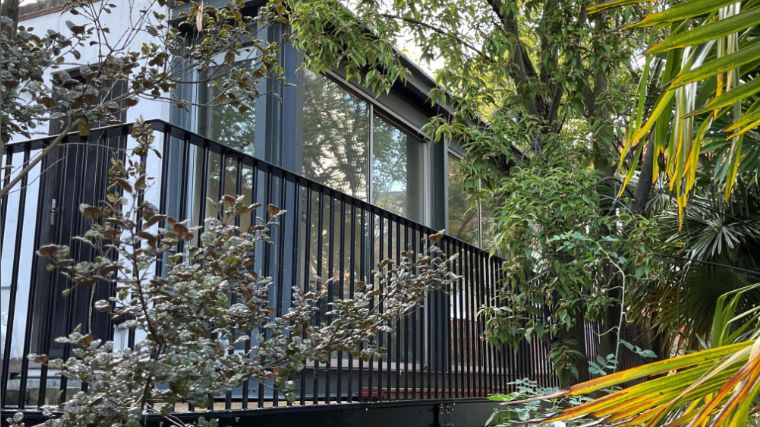
"Having that in front of you at all times, so I can see exactly where a job is and what point in the process it's at, is the best thing for me."
One company, more of the problem solved
Two Js Metalwork has been in business for 10 years out of Hadlow Down, East Sussex. Its core business is structural steelwork, and the team pushed for BS EN 1090 Execution Class 3 (EXC3) accreditation, a higher bar that lets them take on bigger, more demanding structural jobs than most fabricators can.
But the team learned not to lean on one niche alone. When structural steel work dried up earlier this year across the UK, Two Js kept busy, because it also covers architectural metalwork, aluminium decking, steel erection, and bespoke gates and security grilles, where a lot of competitors who specialised in one thing didn't. That range means a customer can bring most of their problems to one company instead of managing several.
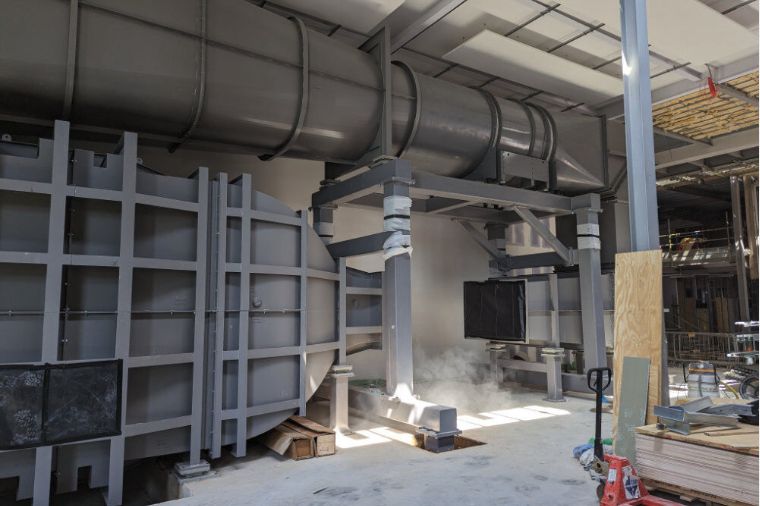
Recent jobs
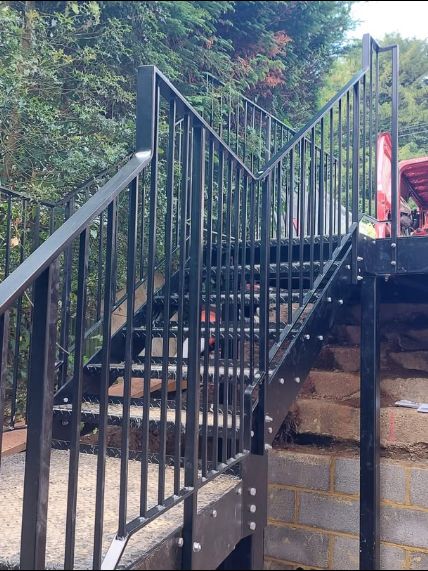
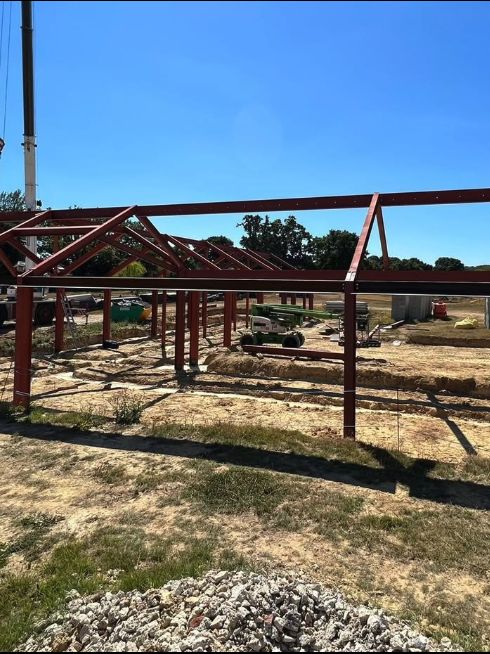
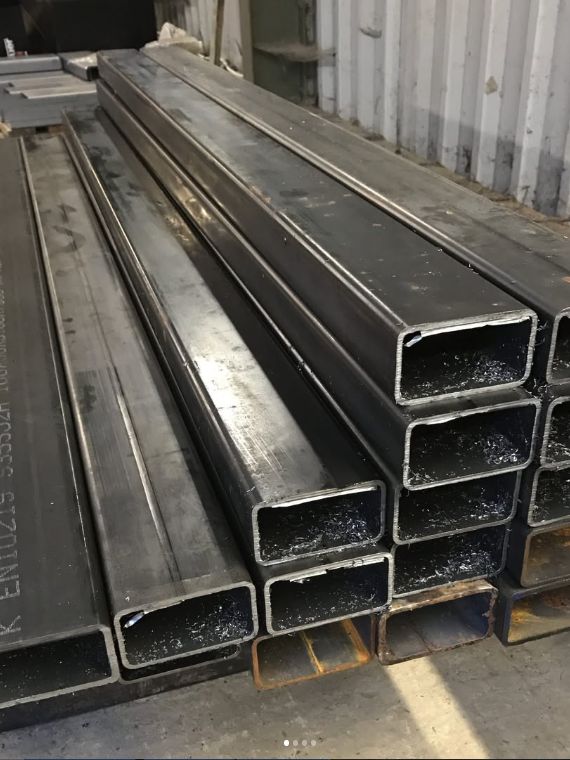
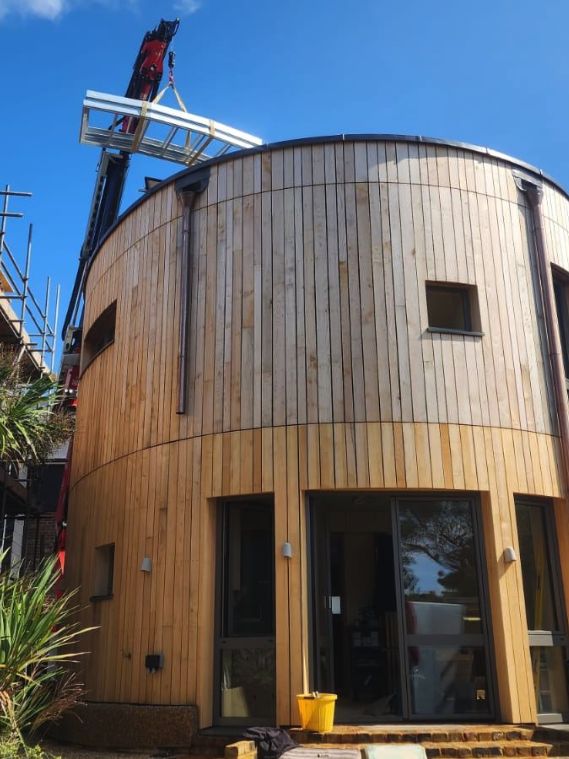
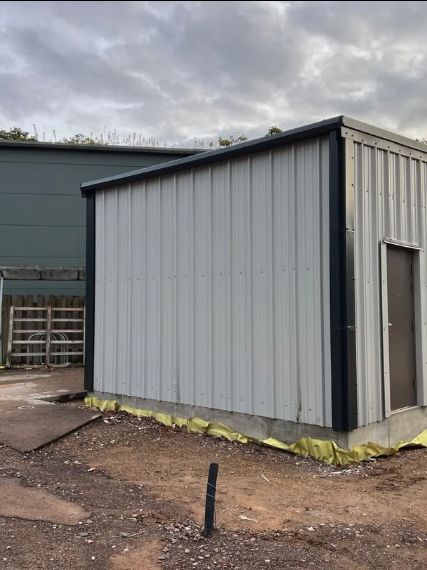
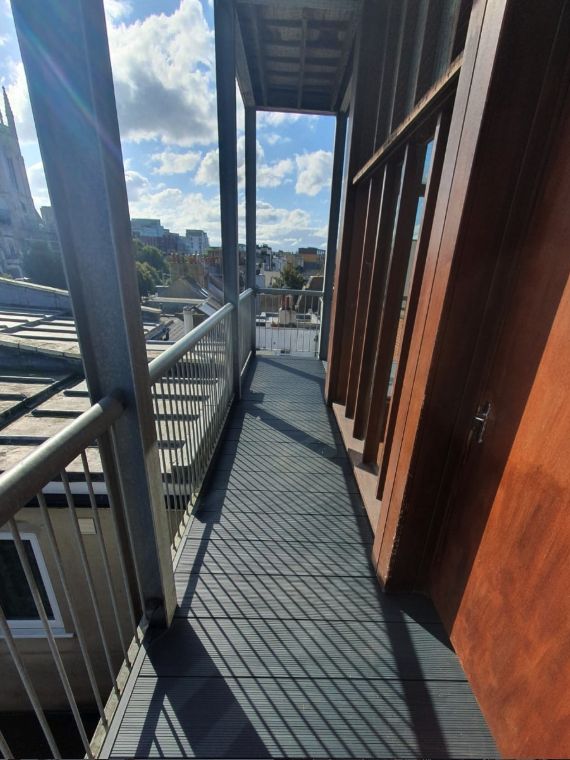
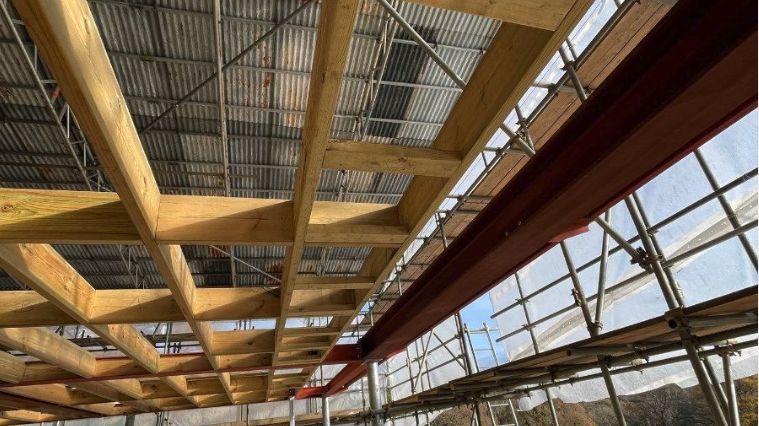
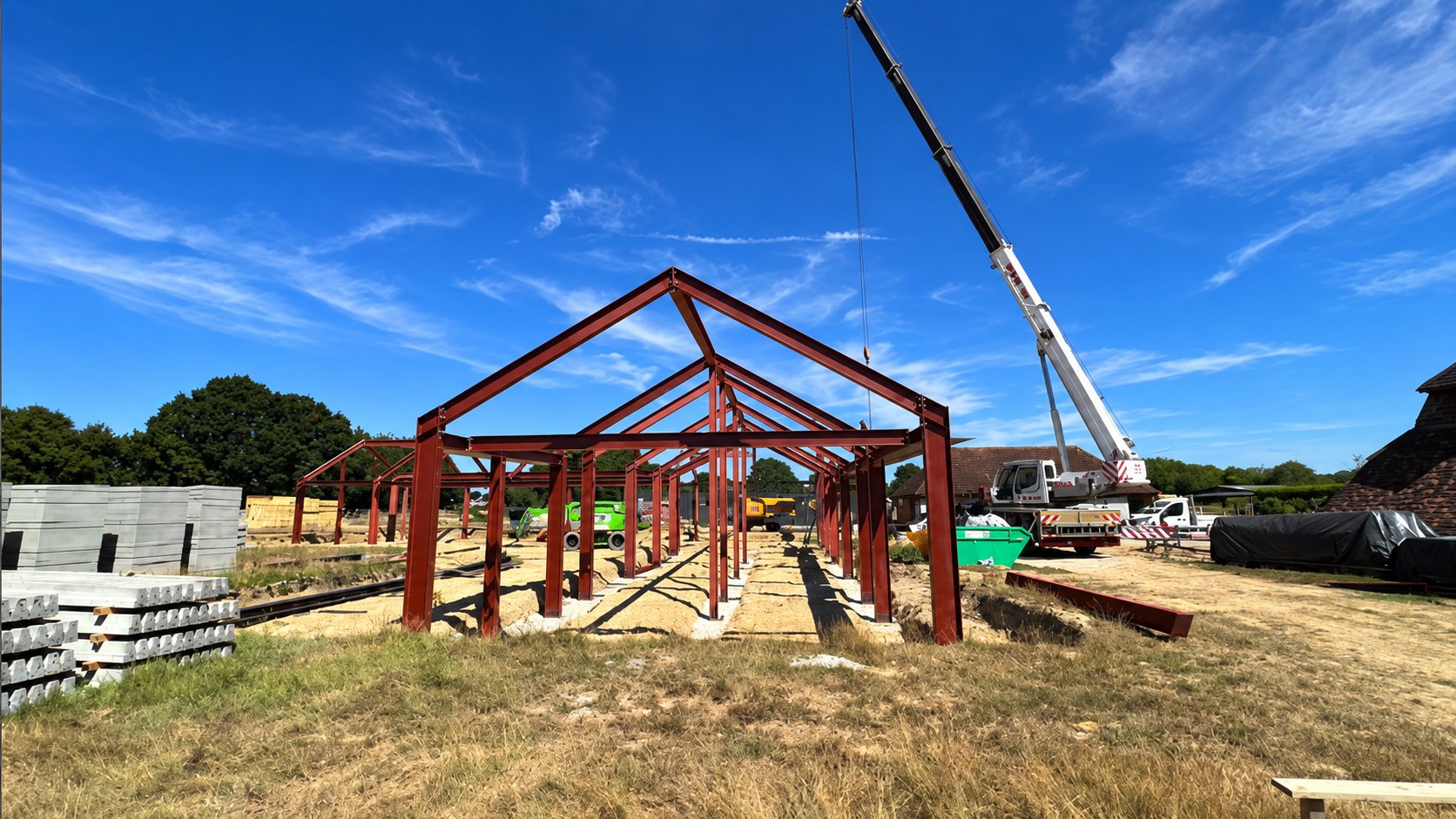
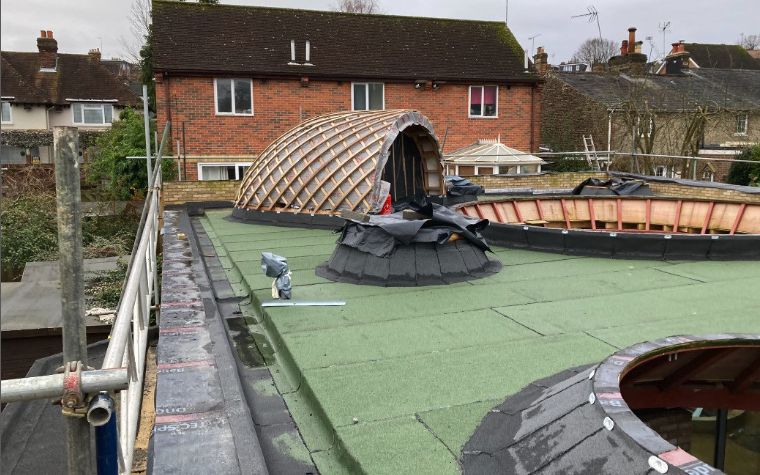
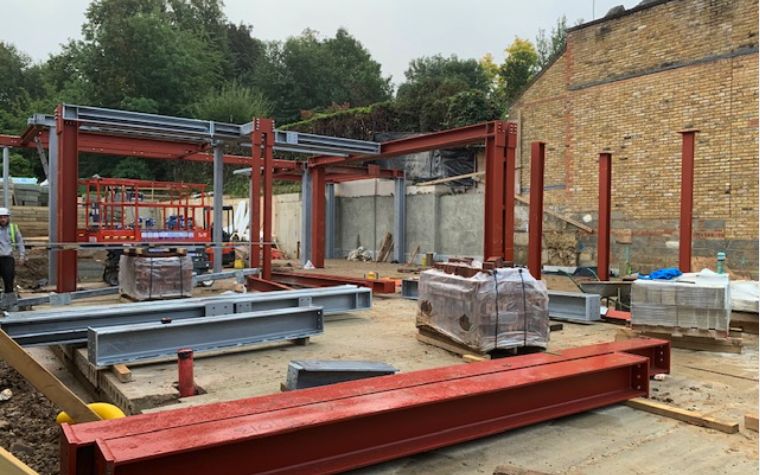
A cross-section of recent jobs: staircases, agricultural frames, raw stock, a bespoke curved build, an outbuilding and balcony decking.
"We don't push to be the cheapest. We push to make sure we allow enough money to do the best job. If a customer needs the cheapest price, they'll need to go and buy their steel from someone else."
Day to day on the shop floor
Workflow visibility on every job: knowing exactly what stage a project is at without holding it all in memory.
Filtered views built around delivery status, so invoicing and cash flow don't wait on someone checking manually.
An interface new starters can pick up fast, even in work that's usually slow to get people onto software.
One shared record of information, so the business isn't only living in the director's head.