A paper shop where the job lived in one person's head
For most of its 40 years, Sandwith ran the way a lot of small fab shops do - on paper. Job status sat on dockets in the admin office. If you wanted to know where something was at, you asked. And a great deal of what held the shop together - what was quoted, what was promised, where each job sat on the floor - lived largely in one person's head.
That works right up until the shop has to evolve. As Kate and Shaun took the business into its second generation, they hit the thing most growing shops hit: too much of it depended on one person being across everything, and paper couldn't carry it any further.
"One person has to be across everything … it's a lot, basically."
One place to see the work
Factory gave the shop one place to see the work. Instead of bits of paper in the office, a job's status is something anyone can pull up - on the floor, in the office, wherever they are. It is early days, and Sandwith would tell you so themselves, but the change is already the one that matters most for a shop moving out of one person's head: the job no longer lives only with the person who quoted it.
Factory syncs with the accounting they already use, so none of that had to be torn out to get there.
"Just greater visibility for everyone across the business - so anyone can log in and see where things are at."
More visibility, less falling through the cracks
Greater visibility across the whole business, and less falling through the cracks. That is the payoff Sandwith names so far - not a headline number, but more order in a shop that used to keep its status on paper.
"Greater order, I guess. Less things would be missed."
A family shop, hands on every job
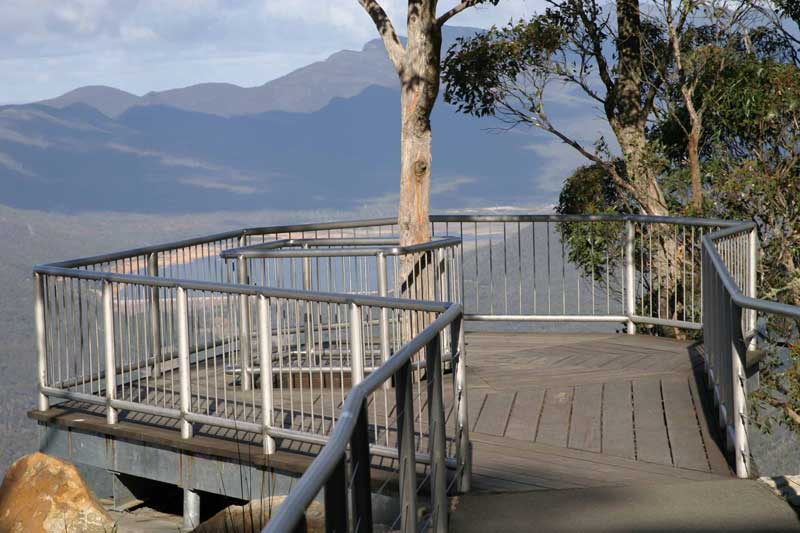
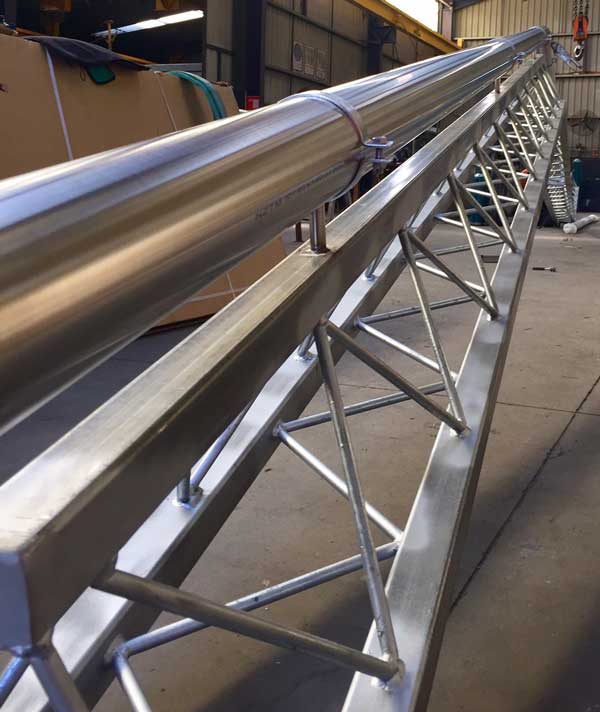
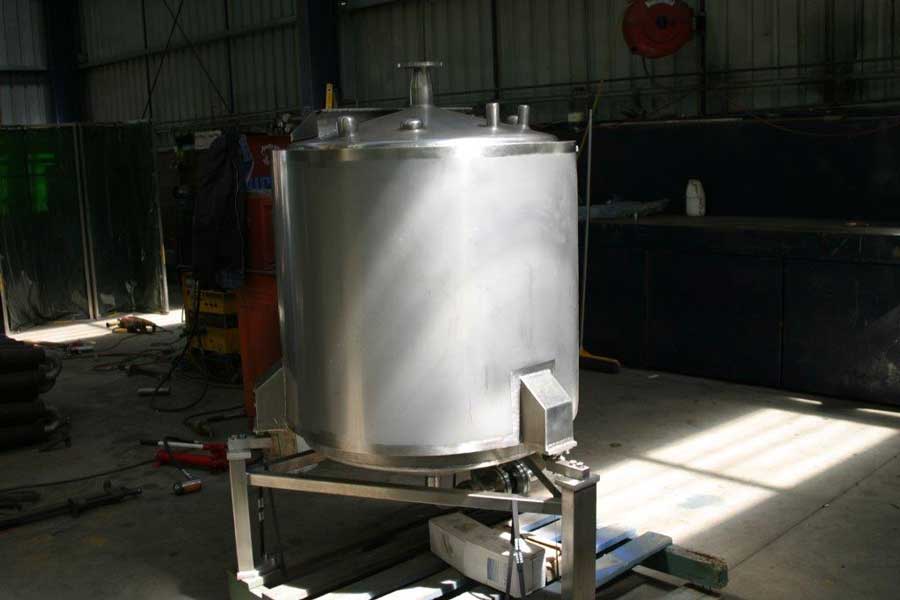
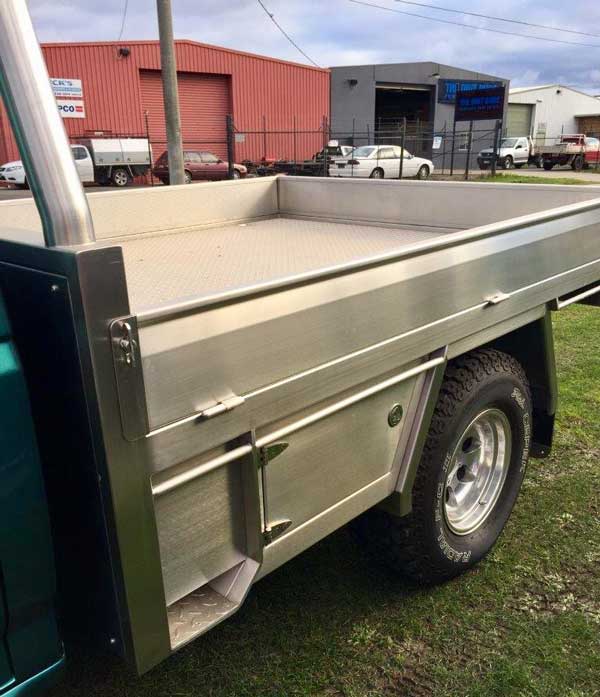
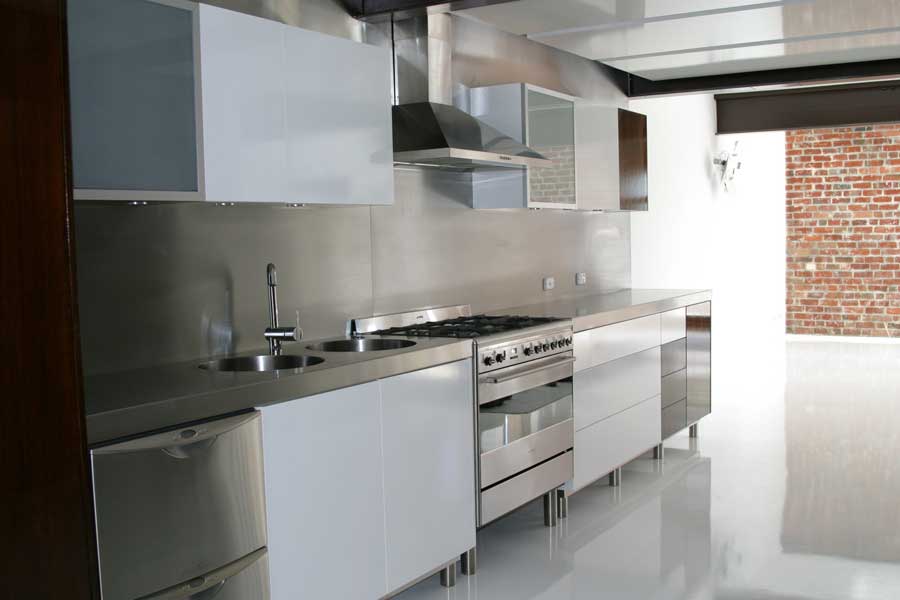
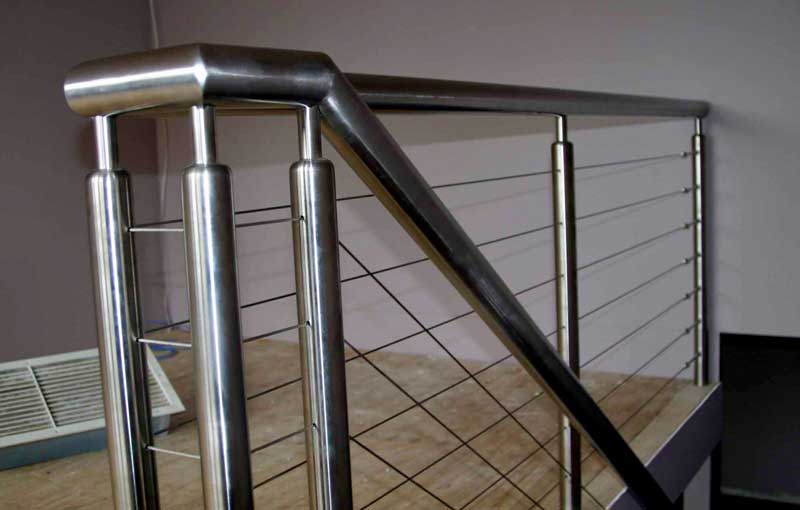
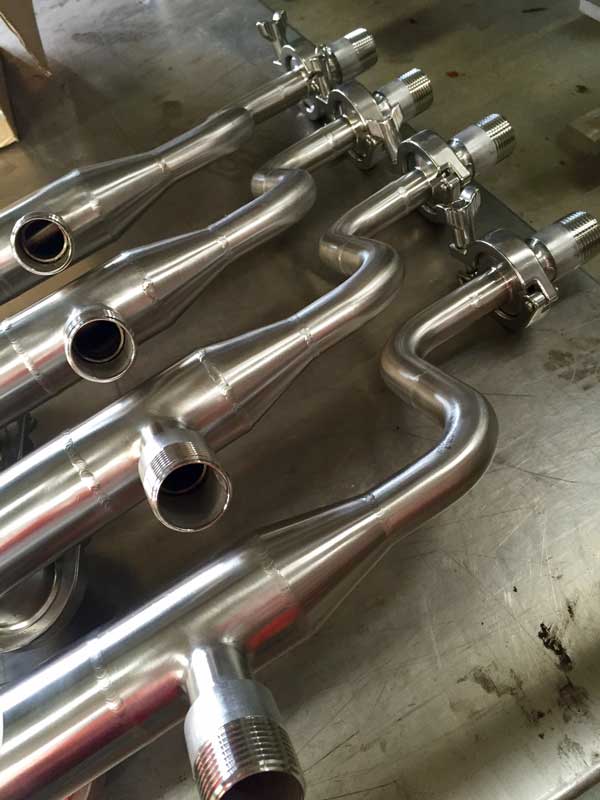
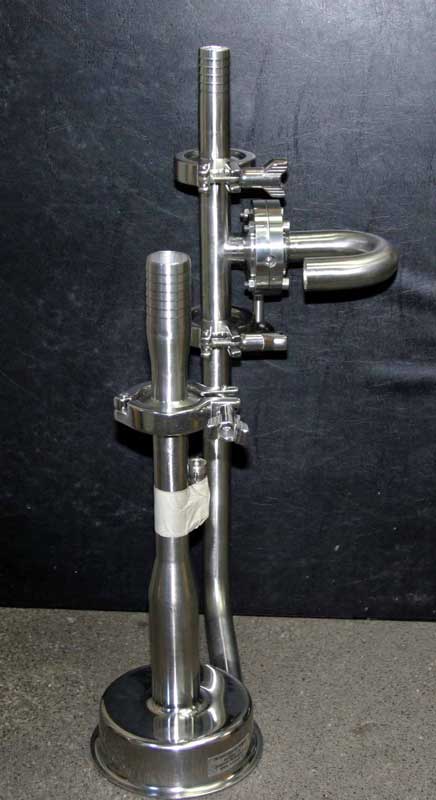
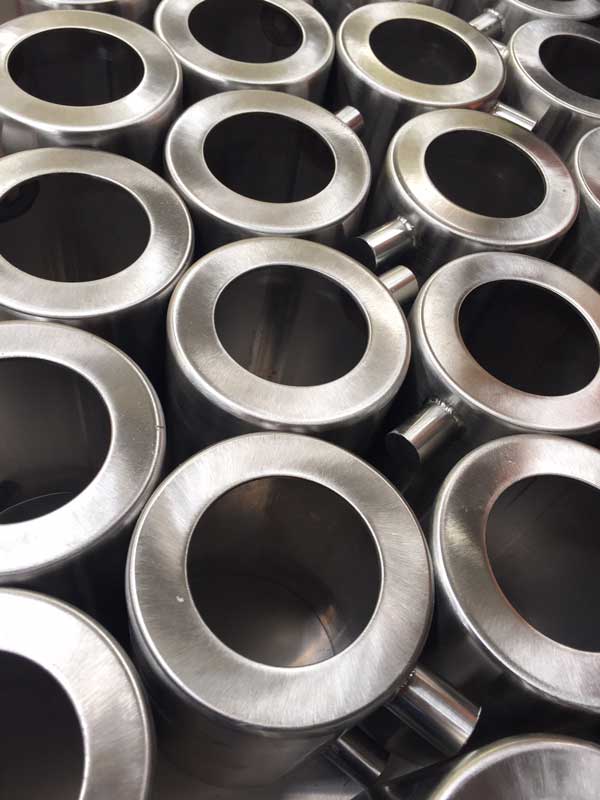
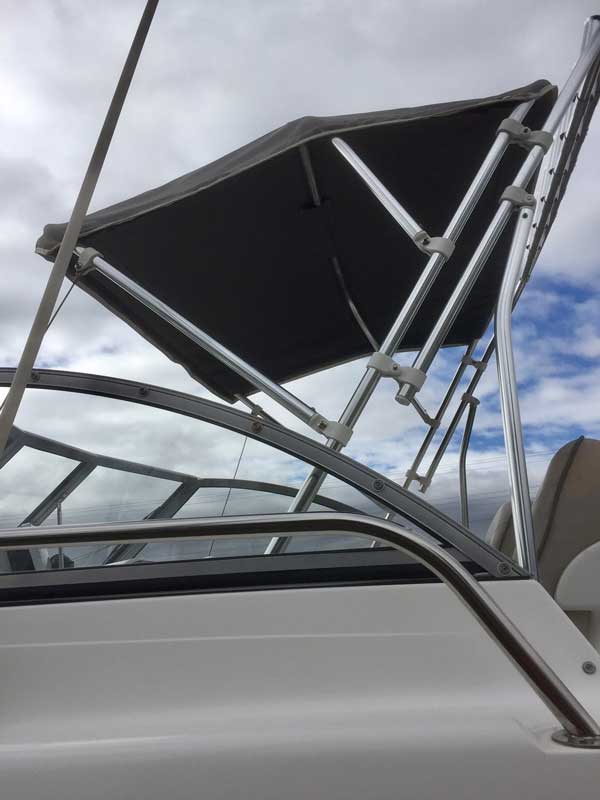
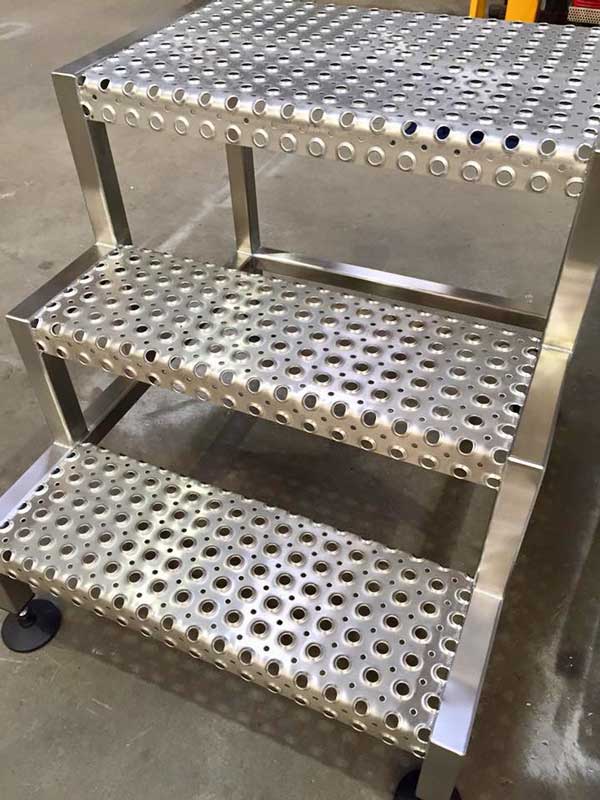
Sandwith Industrial Services has been fabricating in Ballarat since 1983 - nearly as old as Shaun himself, who was born the year the shop started and later came up through it. It is stainless and structural steel work across food, wine, architectural, domestic and structural jobs: conveyors and process lines for food and beverage makers, mixing tanks, marine frames, cable balustrades, commercial kitchens, and public handrails and lookout platforms you have probably walked on without knowing who built them.
The thread through all of it is a hands-on shop. That is the same reason Factory fits: it was built by a family that ran a fab shop for almost 50 years, for shops exactly like this one - small, custom, make-to-order, where the owner still has a hand in everything. Right-sized for a 16-person floor, not an enterprise system built for someone ten times the size.
"Shaun basically is involved in every job along the way. There's not much that he hasn't quoted or had some hand in."
Day to day on the floor
Checking where any job is at - from the floor or the office - instead of asking around.
Moving job tracking off paper and dockets into one shared place.
Keeping the shop running as it passes from one generation to the next, so the work is not stuck with one person.
Scheduling and coordinating jobs across the team.