The shop ran on paper and one person's memory
What was booked, what was on the floor, what was coming next - it lived on paper and in one person's head. When a customer rang to ask about timing, there was no easy way to give a straight answer.
The quiet hour between jobs quietly disappeared, because no one could see who was free. And a job promised weeks ago could turn up to be dropped off - after it had already slipped everyone's mind. Ryan tried a free trial, put it down for a couple of months, then came back and signed up.
The whole shop, in one view
Now the booked jobs, the ones on the floor and the ones coming up all sit in one place. The shop can tell a customer when to bring gear in and when it will be done, instead of guessing. And they can see who is logged on to what, so the quiet hour between jobs stops going missing.
Nothing promised weeks ago falls through the cracks any more - it is there on the schedule, coming up, before the customer turns up wanting it.
"It's much more streamlined. We can actually give people a time - when to bring things in, when it'll be done. And you can visibly see who's logged on what."
Off paper, and out of one head
What was booked, on the floor and coming next used to live on paper and in one person's memory. Now the whole shop reads it in one place - and Ryan says the stress that came with holding it all in his head has gone with it.
"You're not over-stressed anymore. You can see what's coming up - so there's no job you promised someone three weeks ago turning up wanting it done, and you'd forgotten about it."
Ninety-odd years, still made at home
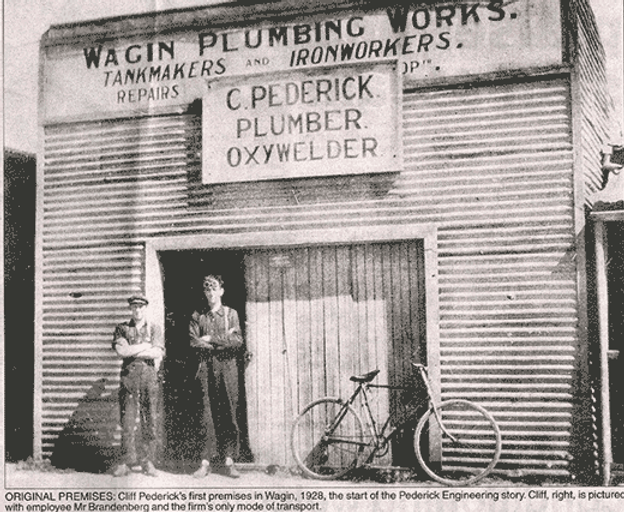
Clifford Pederick started the business in Wagin in 1928 with one workman and a set of hand tools. Two years later he bought the first oxy welding plant outside Perth, and through the pin-wheel rake and land-clearing era the shop ran to 98 people, sending gear east by train.
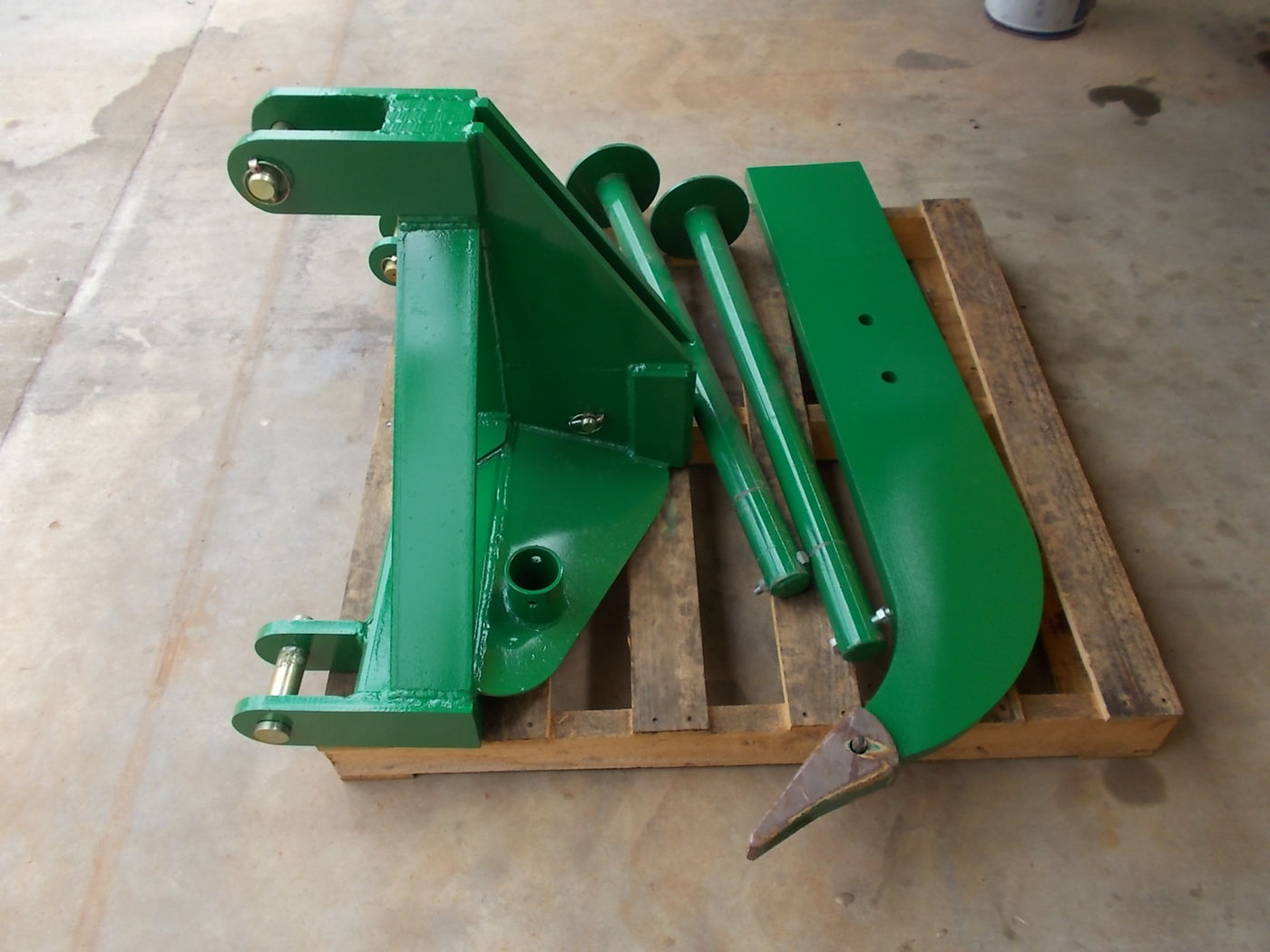
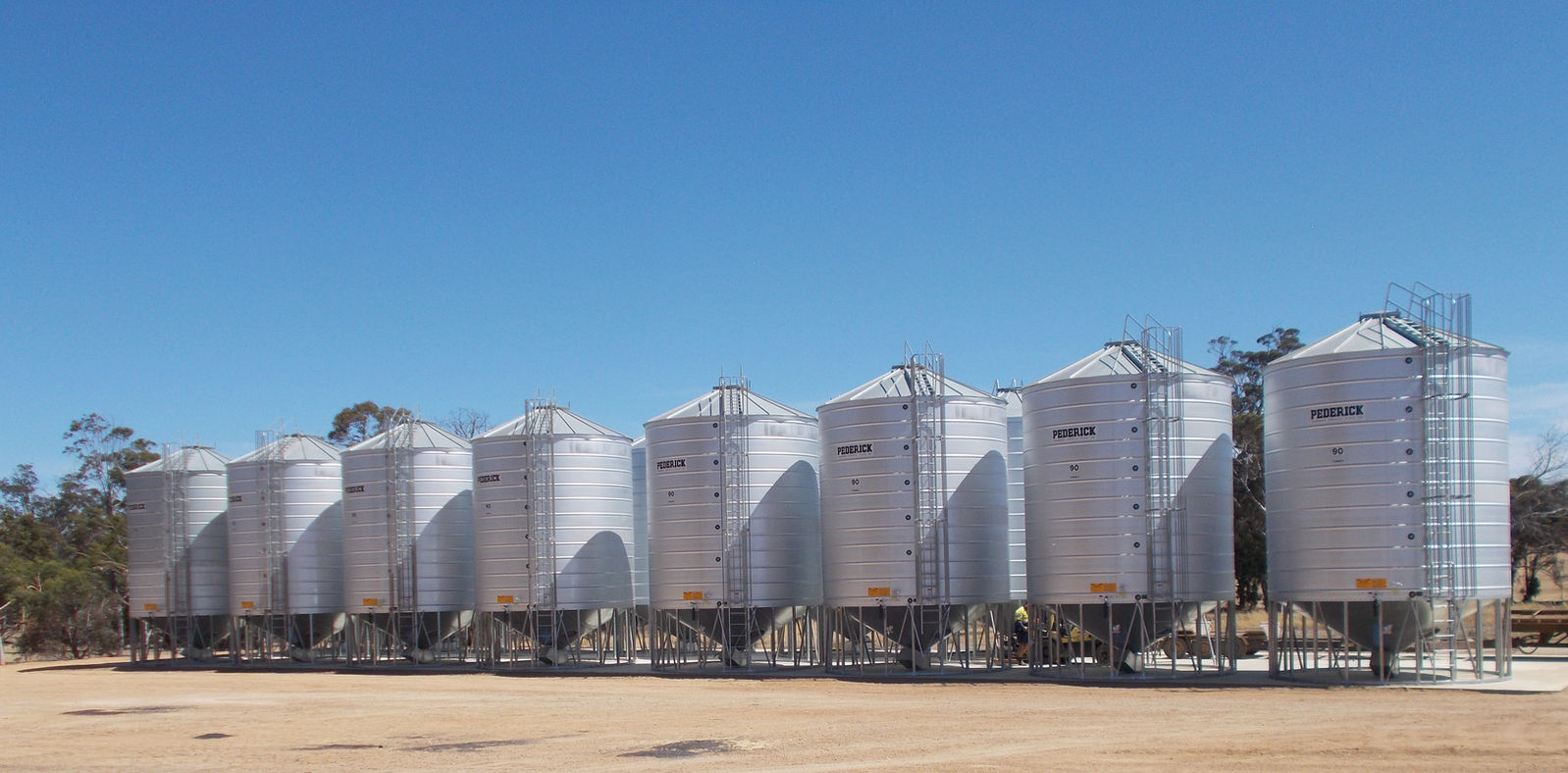
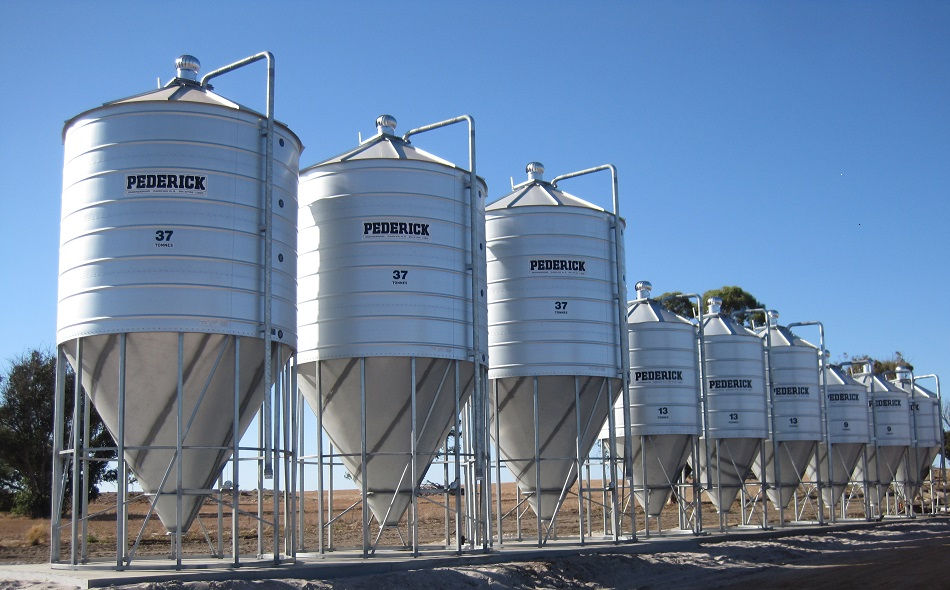
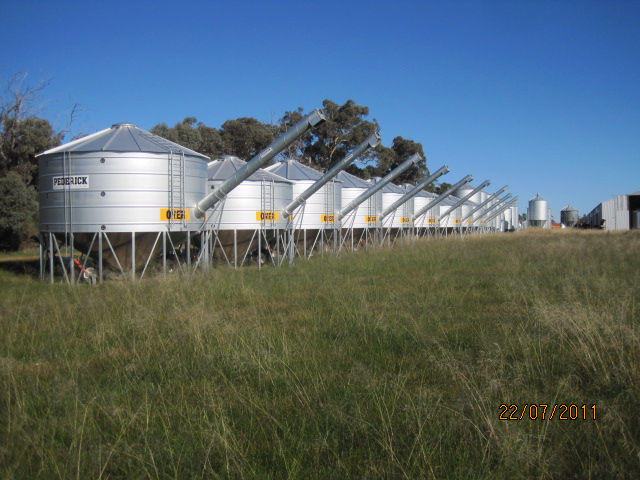
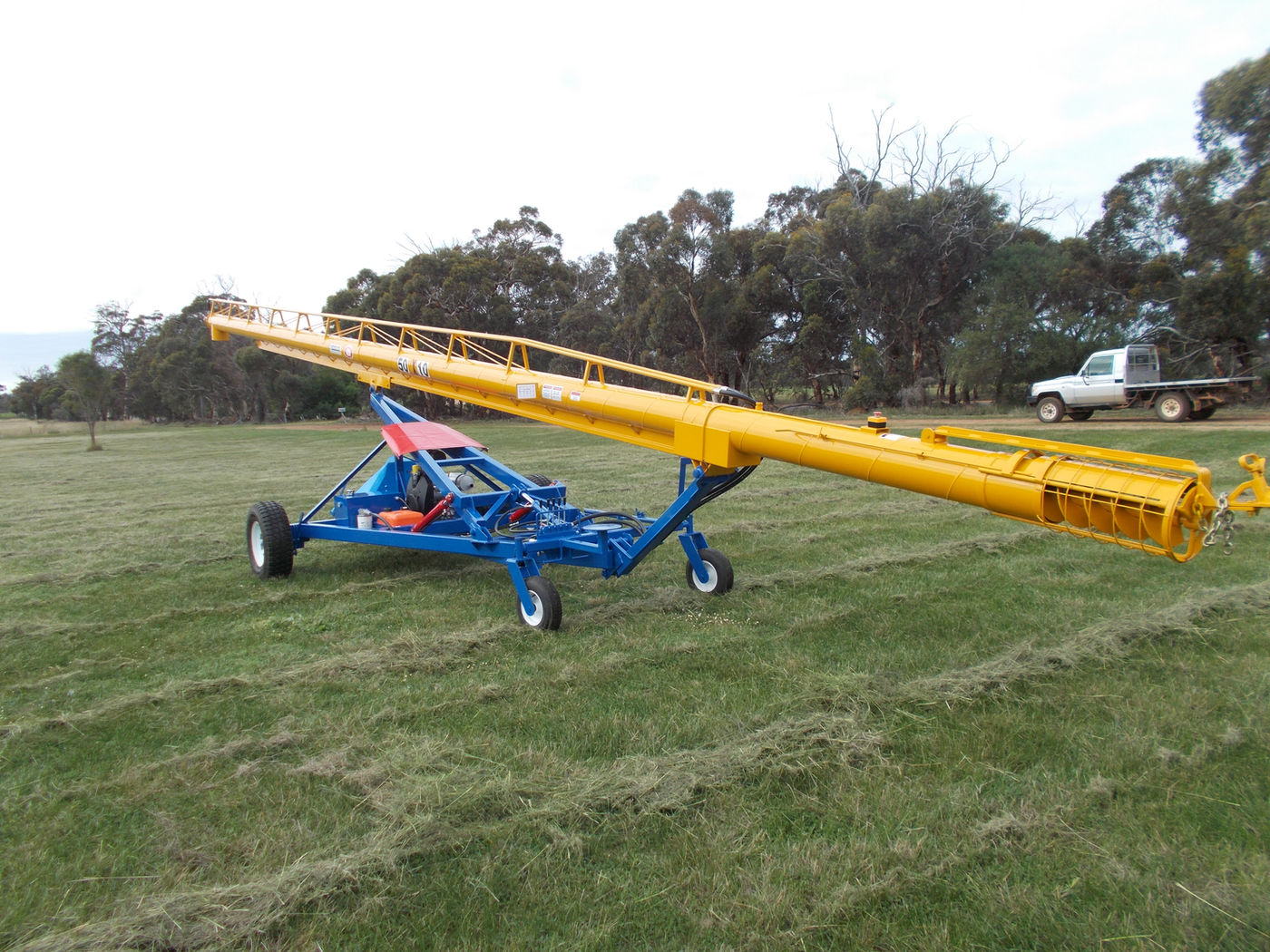
Today a crew of twelve works out of a 2,500 square-metre factory on the Coalfields Highway, a kilometre and a half east of Darkan - turning out silos, field bins, augers, fuel tankers, rakes, rollers, rippers, loader attachments and stock feeders, plus whatever custom job rolls through the door. Nothing is brought in: it is designed, machined, fabricated and plumbed on-site, right down to the 60-degree cone silo that Pederick is one of the few shops still making.
It is the kind of shop Factory was built for. Factory was made by a family that ran their own fabrication shop for almost 50 years - so a shop that welds its own heritage and still makes everything at home is one it already understands.
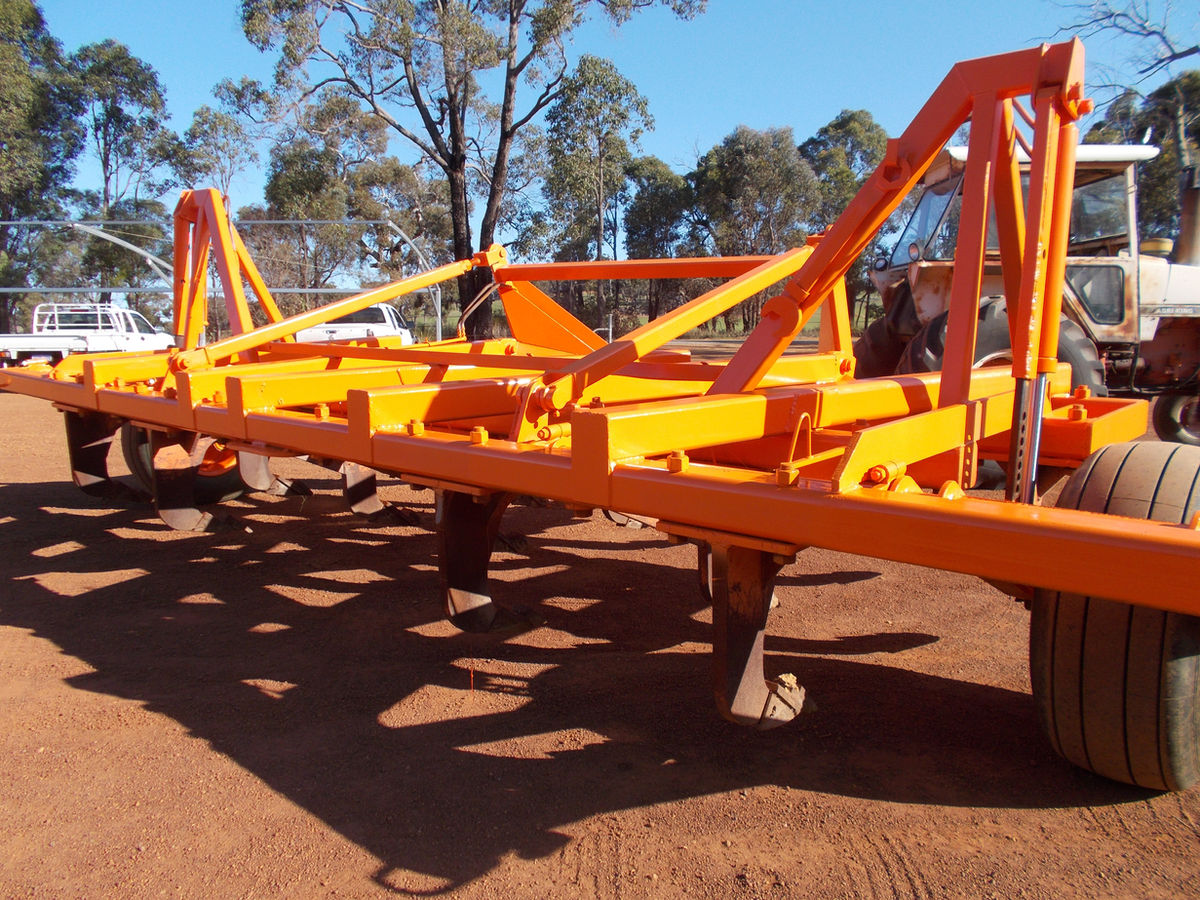
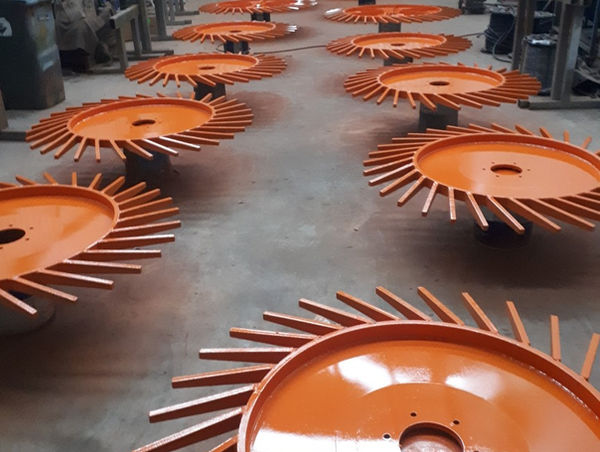
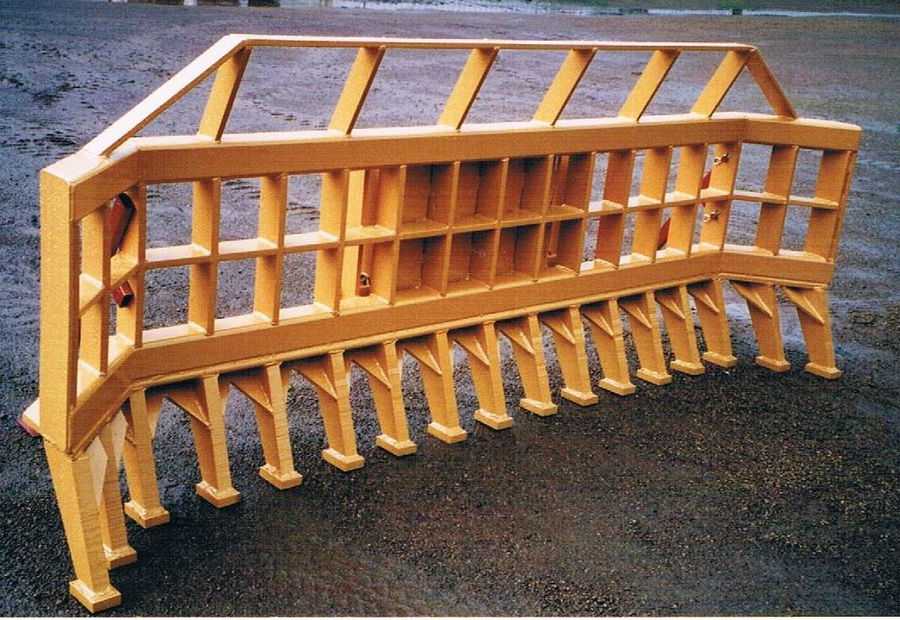
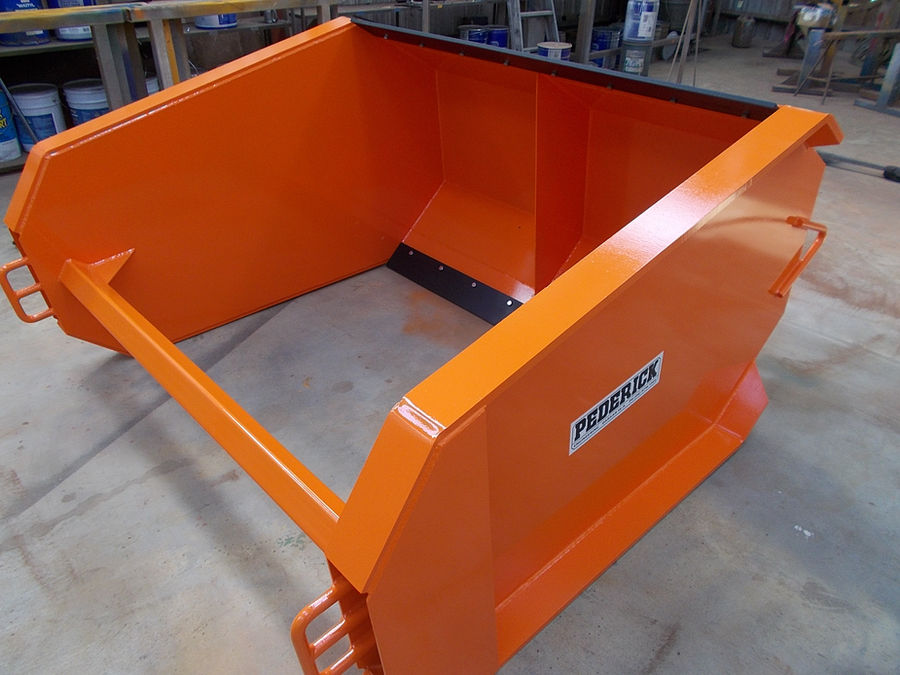
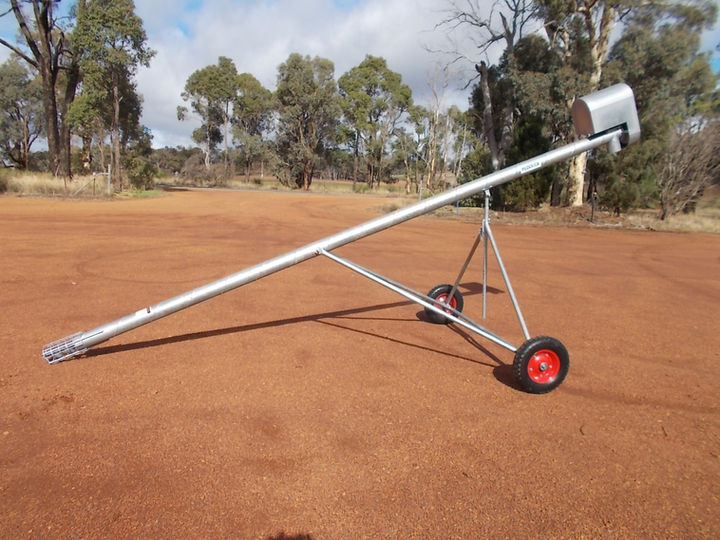
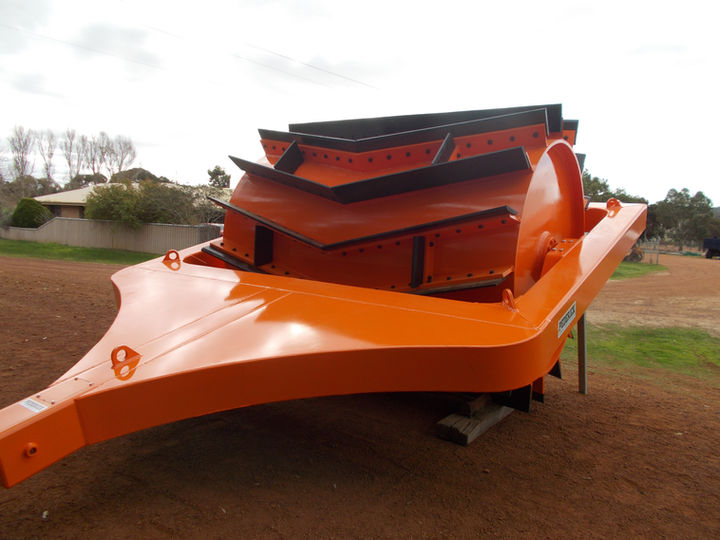
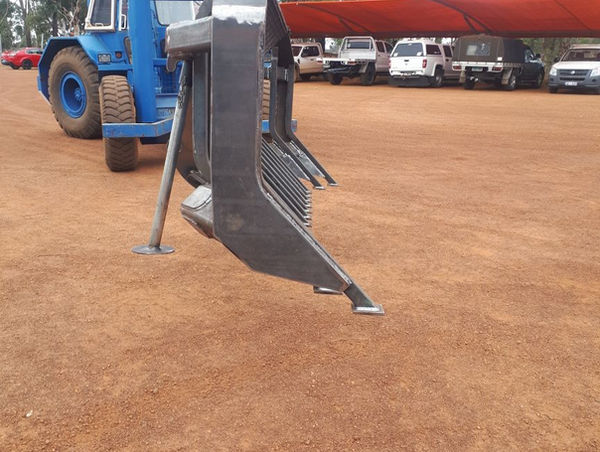
"It's a really broad range now - custom jobs, fuel tankers, everything. Nothing's brought in. Everything's designed and done here at home, machined in-house, hydraulics and all."
One tool at a time, the way a shop actually adopts something
Pederick came to Factory looking for one thing: a way to see the jobs. Not a heavy ERP to configure, not a big migration - just visibility on what was on and what was coming. Ryan tried the free trial, sat with it, then came back and signed up when he was ready.
Too big for spreadsheets, too small for an ERP - the gap Factory is built for. Next on Ryan's list is the delivery schedule for the silo runs. One tool at a time.
Day to day
See what's booked, what's in progress and what's coming next - all in one view instead of on paper.
Give a customer a real bring-in time and a finish time, instead of guessing.
See who's logged on to what, so the quiet hour between jobs stops disappearing.
Keep a job promised weeks ago from slipping - it's on the schedule, coming up, before the customer turns up.
Next up - the delivery schedule for the silo runs, added one tool at a time.