Paper timesheets, three systems, one bottleneck: Brad
Every worker filled out a paper timesheet by hand. The office typed each one into the computer. Then the digital version came back to Brad and his co-owner Matt for approval. One job's hours went through three sets of hands before anyone signed off.
Purchase orders and sales orders sat on separate platforms too, with nothing linked between them. The more of it landed on Brad's desk, the further he got from the floor.
"We had each of the workers do their own individual paper timesheets, and then the ladies in the office would transcribe that digitally - and then that was being transferred back again to Matt and myself for time and trade approvals. So it was a three-way process that came into one."
Timesheets, purchase orders and sales orders, linked to the job
Factory ties the three together on the job, so Brad can trace the hours, the parts and the costs back to where they came from. Nobody types anything in twice, and nobody hunts across platforms for a missing order.
Pull up a job from a year ago and the parts, the supplier and the time it took are all still there, so CGS can quote the next one like it off real history.
"Our timesheets and our purchase orders and sales orders were on different platforms, so they weren't actually integrated together. Whereas with Factory you can do your timesheets, your purchase orders, your sales orders, and link it all together - it's a lot easier to find where everything's come from."
Off the desk, and back on the floor
Timesheets, purchase orders and sales orders used to sit on three separate platforms. Now they are linked to the job in Factory.
"Now I've had a bit more time to do research and development on the machines, and also do some of the physical jobs myself and get out into the workshop again."
Forty years in Kojonup, still family-run
CGS Engineers started more than forty years ago, founded by Don and Rhonda Hair. The Crane family took over in 2010. Brad walked in twenty-two years ago as a school-leaver apprentice and worked his way up to co-owner alongside Matt and Kim.
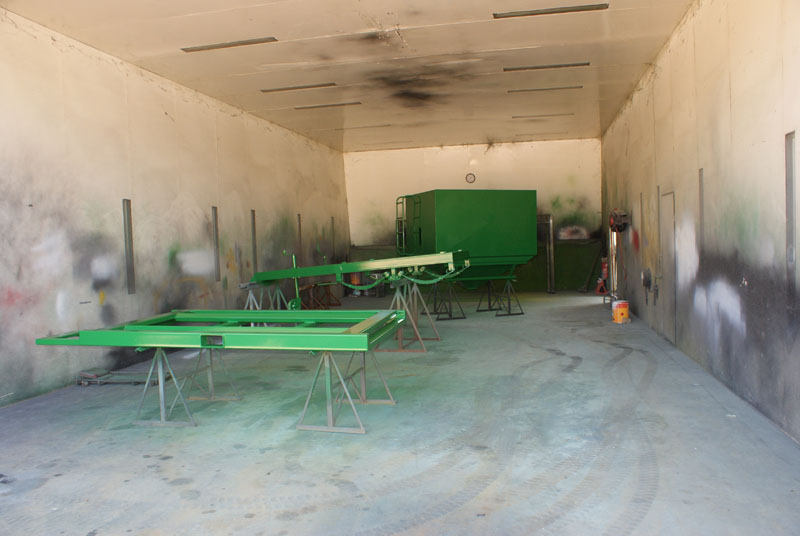
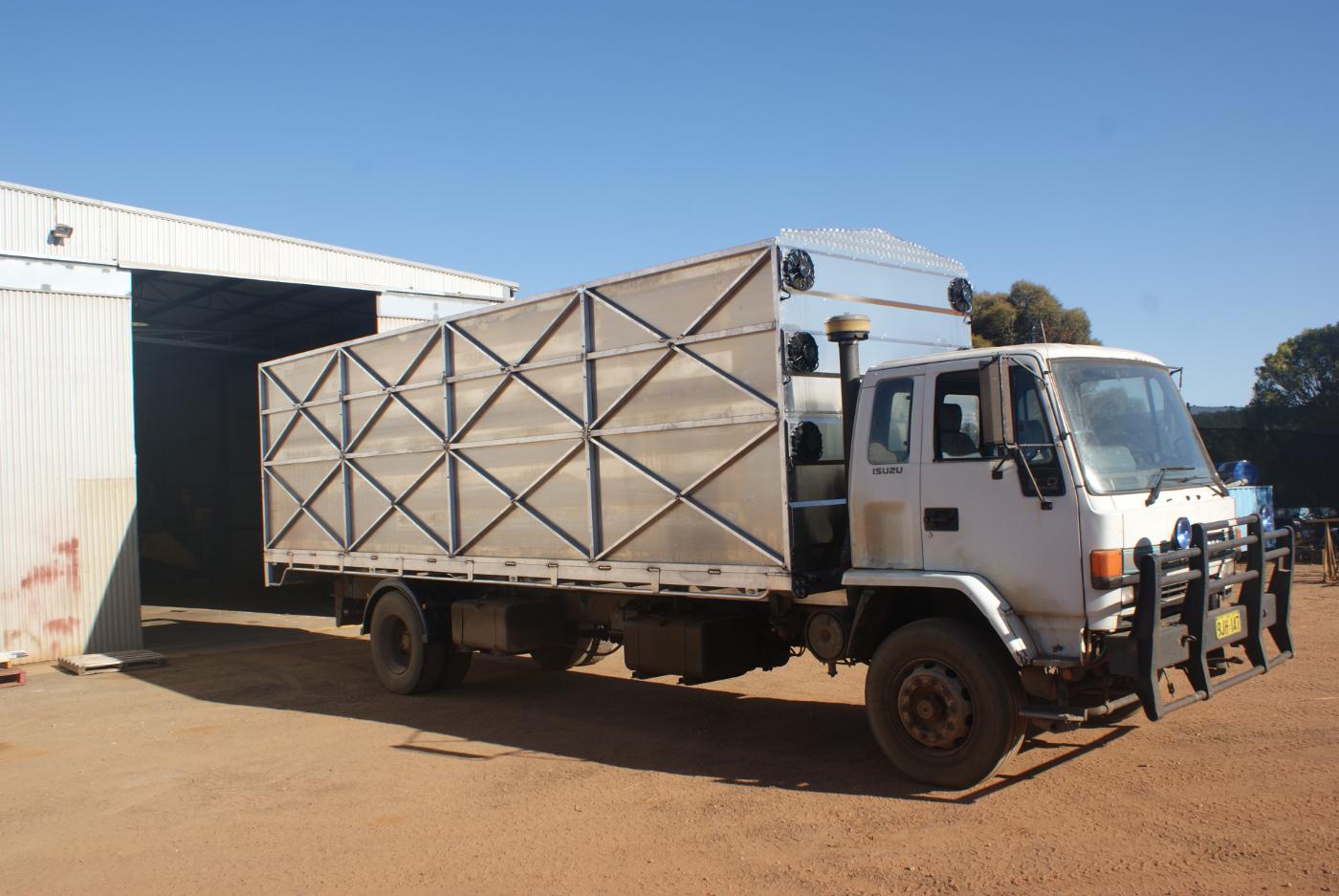
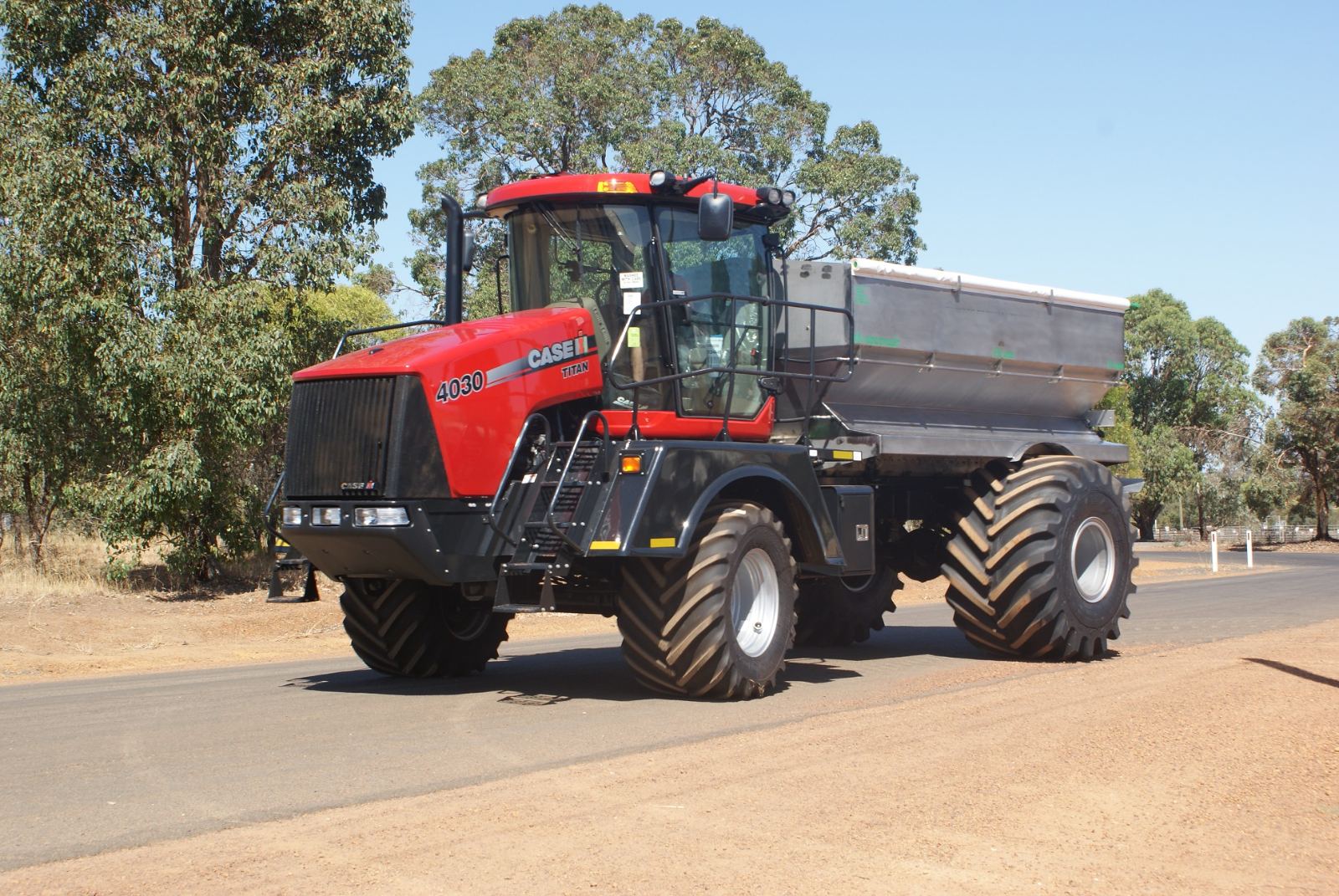
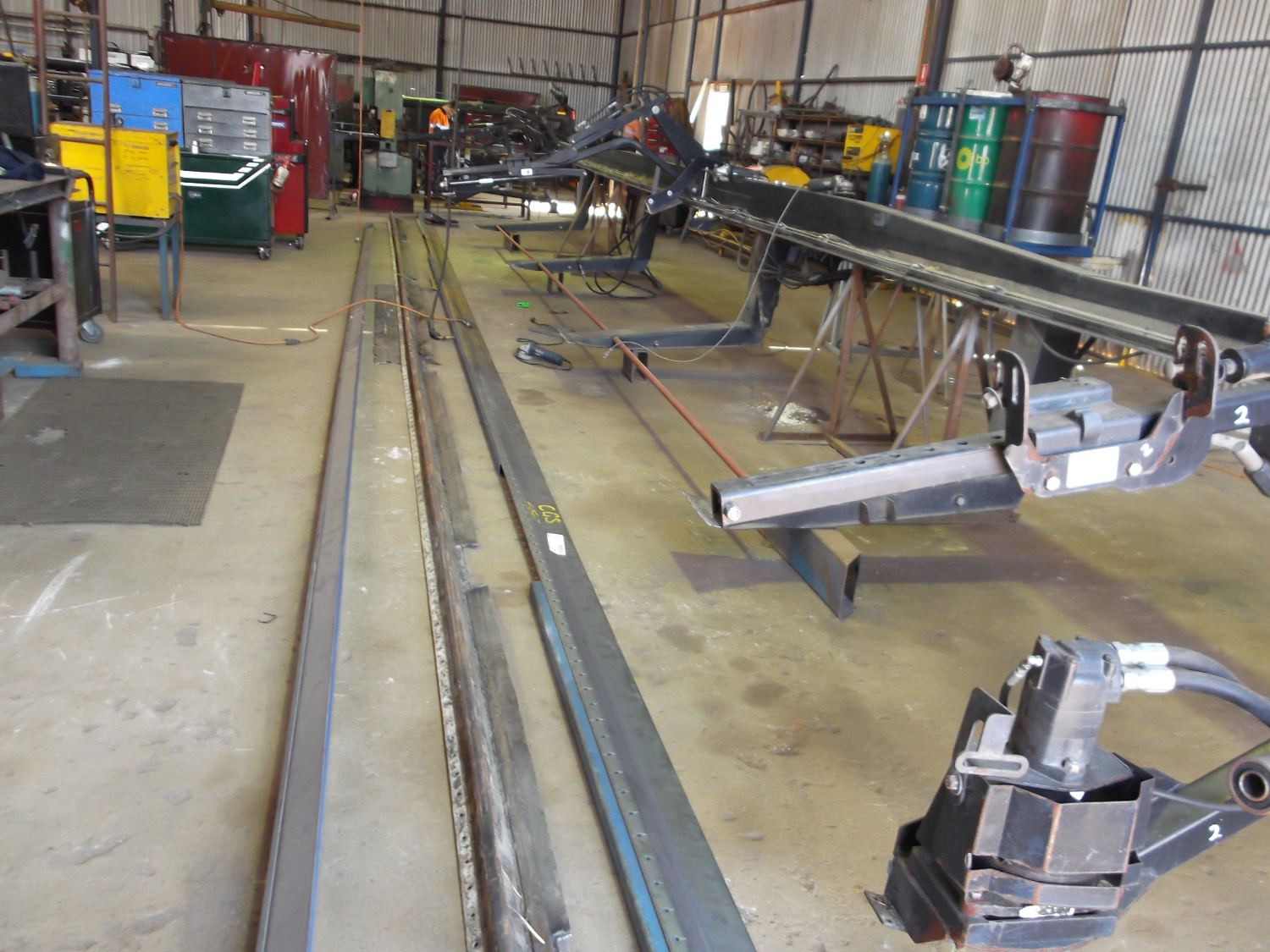
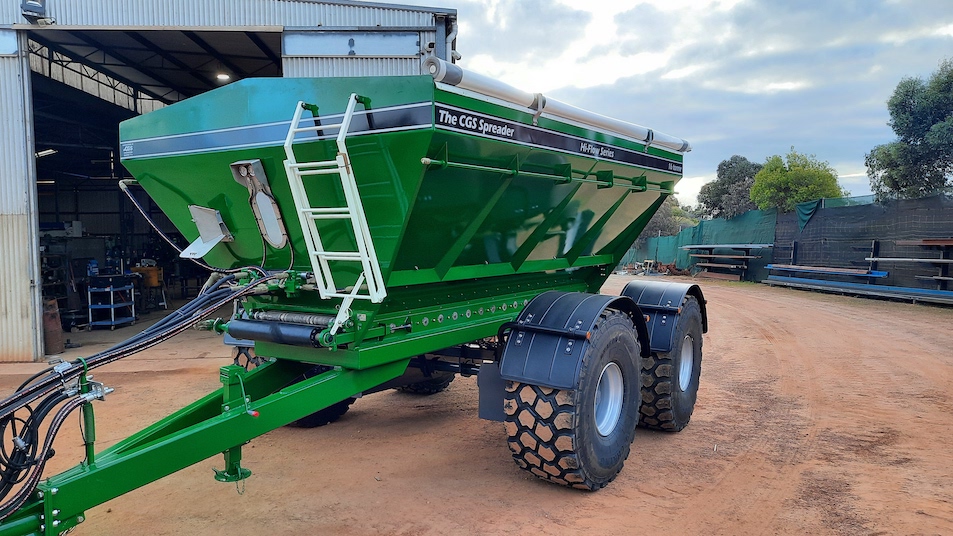
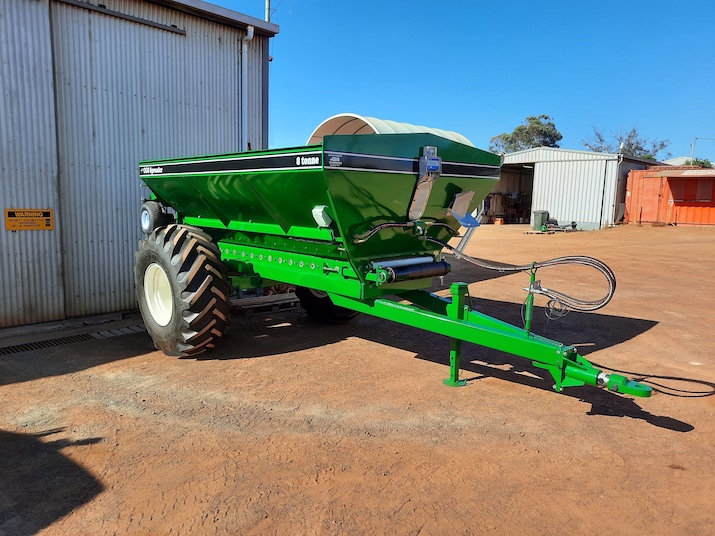
Ag repairs and builds come first, but the shop takes on anything in steel: truck modifications, grain tippers, a footbridge for the local park. The flagship is CGS's own product line, the CGS Multi Spreader, designed and built start to finish on site.
It is the kind of shop Factory was built for, by a family that ran its own fabrication shop for almost fifty years.
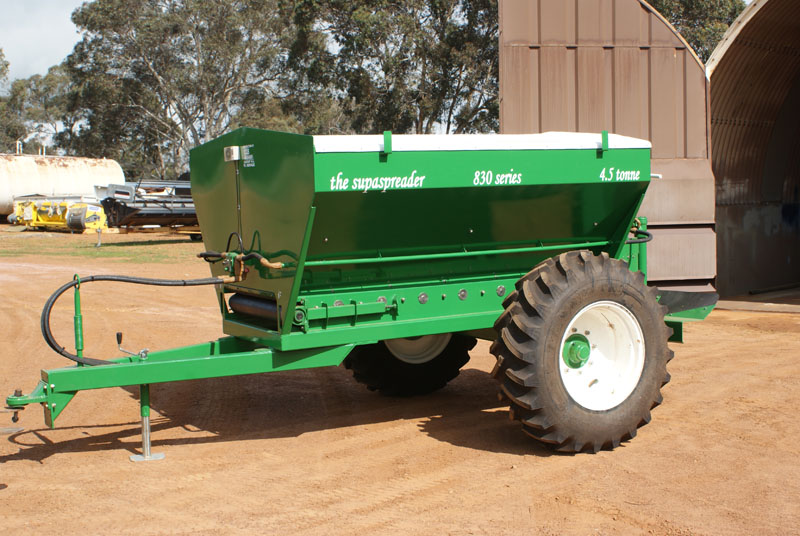
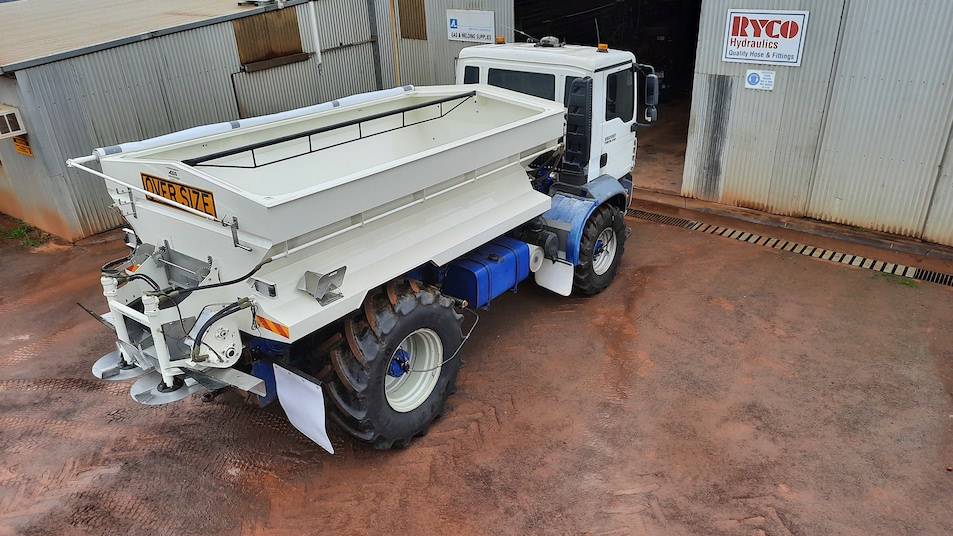
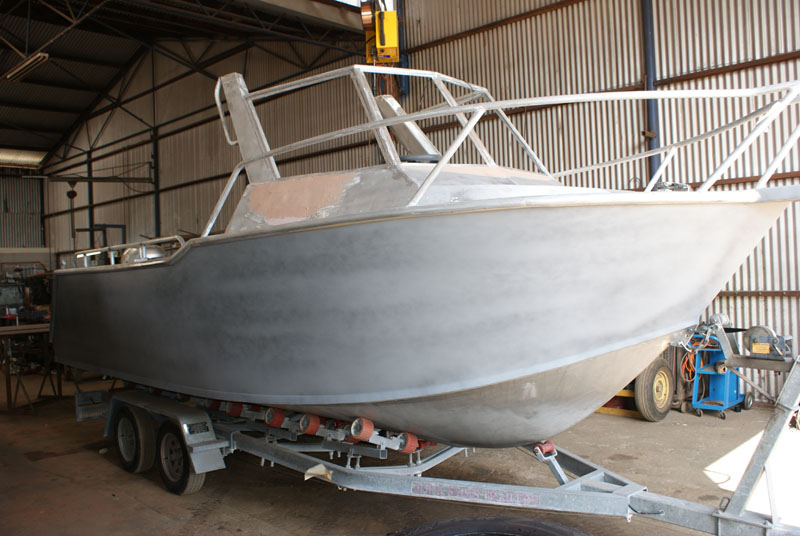
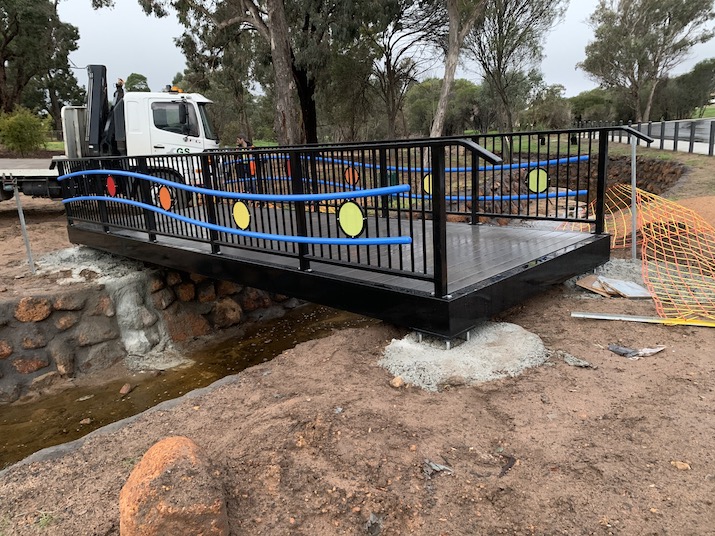
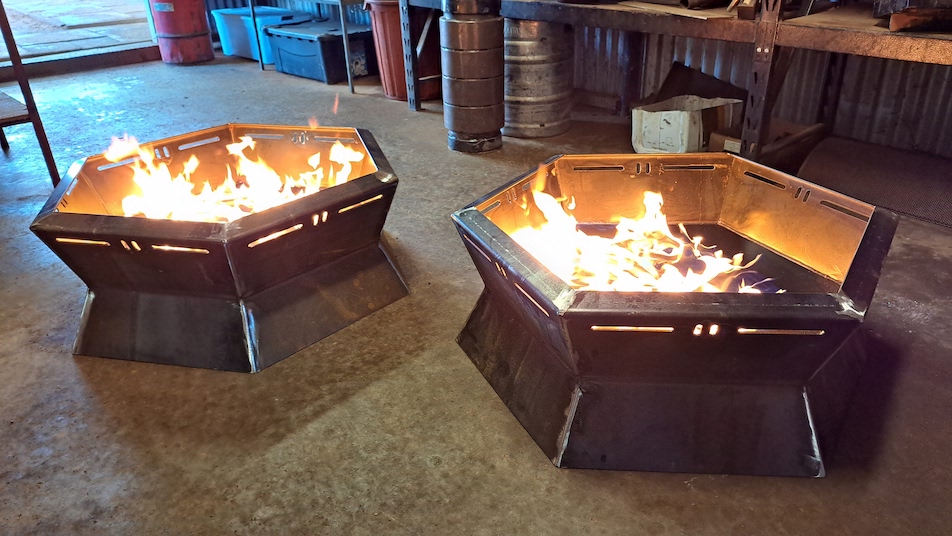
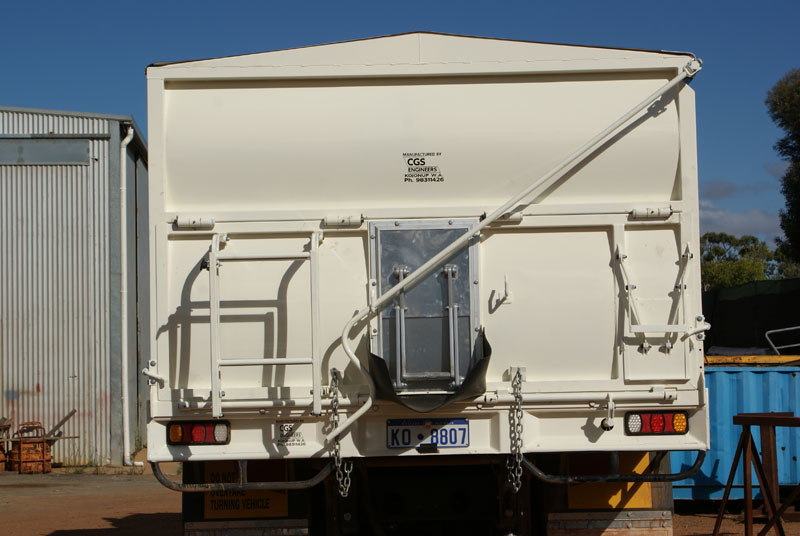
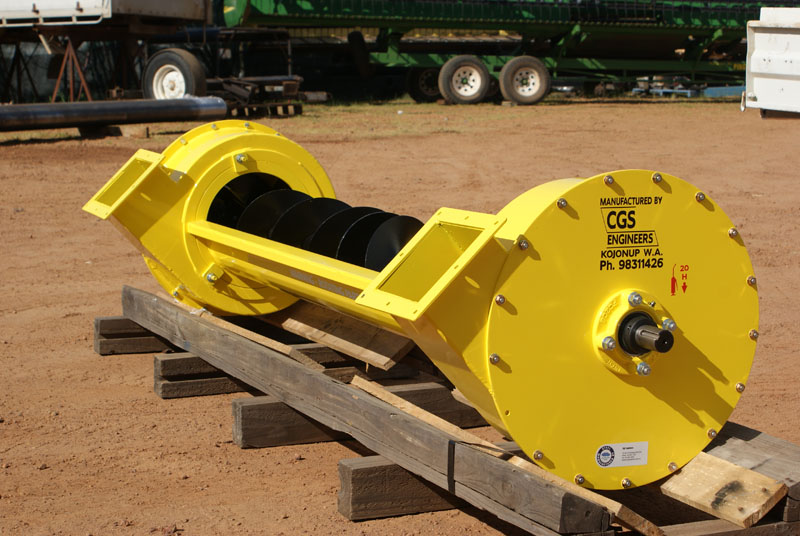
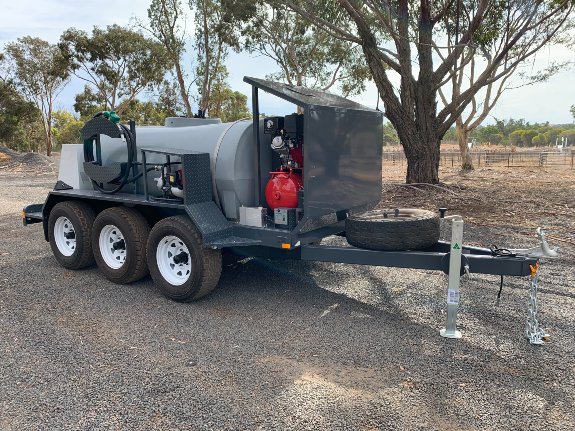
Forty years of fabrication. Spreaders, trucks and everything in between
"We try to make sure we look after the local guys before we do any other sort of outside work - local is our focus."
Built to bend to the shop, not the other way round
What sold Brad was that Factory fit how CGS already worked, instead of asking the shop to change to suit the software. Every workshop runs a little differently, and Factory bent to fit this one.
An unexpected bonus was the feature request portal, where shops ask for the changes they want and back each other's requests, so Factory keeps developing around how shops actually work.
"The flexibility is a huge one. Every single workshop operates differently - everybody wants to do things a little bit differently, and Factory seems to be able to accommodate basically whatever you want it to do."
Day to day
Logs every worker's timesheet once and sends it straight to approval, with nothing typed in twice.
Links purchase orders and sales orders to the job.
Keeps the parts and the hours together on each job card.
Pulls up a past job to quote and order the next one like it.
Asks for the changes that suit how the shop runs, through the feature request portal.